

Smart Charge by RiDERgy · Episode 21
1.2 Million Unique Visitors - How Sebastian Henßler Scales E-Mobility News and What It Means for the Industry

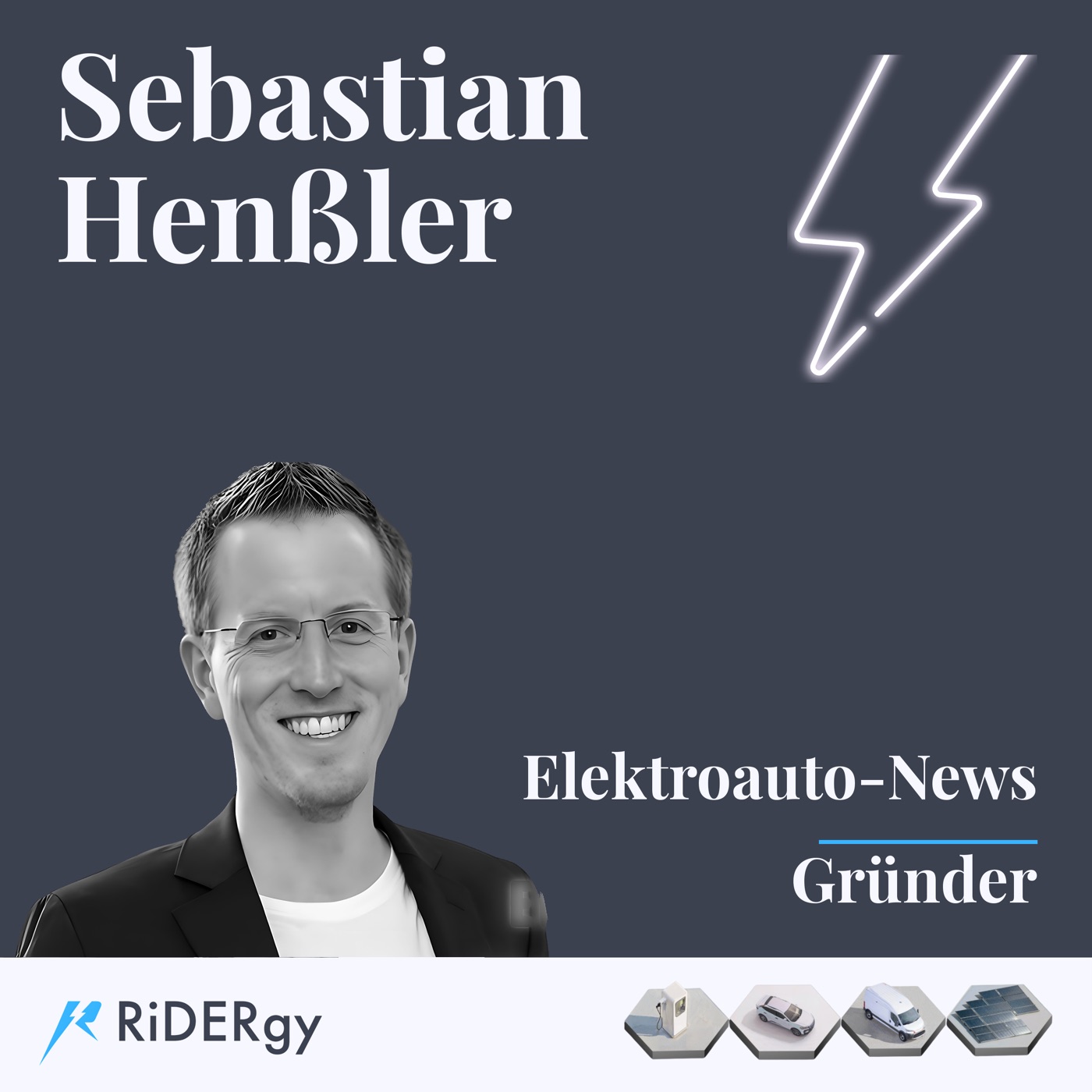
Sebastian Henßler
14 August 2025 · 45 min · Deutsch · Host: Claudio Geyken
Chapters (12)
Show notes
Over 1.2 million unique visitors a month: Sebastian Henßler took over Elektroauto-News.net in 2016 and turned it into a leading e-mobility portal. His team publishes up to 15 articles a day on weekdays, alongside a free newsletter and China EV Pulse in English. He went from controlling manager to e-mobility evangelist, with Formula E in Berlin as his emotional way in. Claudio asks about his career path and about the influence of Chinese trends on the European market.
We also discuss why smart charging and bidirectionality are arriving more slowly than expected, which technological breakthroughs in batteries and autonomy are really relevant, and how the media accompany the transformation.
Resources mentioned
The guest's company
- Elektroauto-News.net
Sebastian Henßler's daily e-mobility news portal, taken over in June 2016 and now reaching about 1.2 million unique visitors a month.
Regulation and standards
- Regulation (EU) 2019/631 (CO2 fleet emission standards)
The EU CO2 fleet target rules Sebastian says keep getting softened or pushed back, letting OEMs delay their shift to EVs.
Companies and tools
- LinkedIn
The platform where Sebastian built a daily-posting habit from late 2022 and became a recognized Top Voice for e-mobility in German-speaking markets.
- SQM (Sociedad Química y Minera de Chile)
The leading lithium producer Sebastian has covered for years and visited on-site in Chile to independently fact-check claims about water use and child labor.
- Volkswagen
Cited for the line that EVs are really 'power storage on wheels' sitting unused 23 hours a day, making them natural candidates for bidirectional charging.
- Stellantis
Named as the multi-brand European group (covering Italy, Spain, France) Sebastian's portal tracks as part of its European coverage.
- Tesla
Discussed as the brand that pushed EVs forward under Elon Musk but is now seen as coasting more on past reputation than new momentum.
- Rivian
Named as a Silicon Valley EV startup making commercial vans in addition to its pickups and SUVs.
- Amazon
Cited for its electric delivery van partnership with Rivian, which Sebastian got to see in person when the vehicles were introduced.
- Elektrotrucker (Tobias Wagner)
The electric-truck driver and YouTuber Sebastian knows personally and cites as proof that electric heavy trucks already work as a business case.
- AIDA Cruises
Named as the cruise line Sebastian expects to move toward hydrogen rather than battery power for large cruise ships.
- Freudenberg
The Weinheim-based supplier Sebastian interviewed around 2018 about its hydrogen fuel-cell development for ships.
- Schwarz Gruppe
Cited for its autonomous shuttle buses near Heilbronn that ferry employees from the train station to company headquarters.
Cite this episode
Geyken, C. (host), Henßler, S. (guest). "1.2 Million Unique Visitors - How Sebastian Henßler Scales E-Mobility News and What It Means for the Industry." Smart Charge by RiDERgy, Episode 21, 14 August 2025. www.ridergy.com/podcast/ep-21-1-2-millionen-unique-visitors-wie-sebastian-hen-ler-e-mobility-news-skalie
Transcript
8,533 words · machine transcript
- Claudio Geyken, host
- Sebastian Henßler, guest
Cleaned up from a machine transcript. Translations are machine-generated and may contain errors.
No matches in the transcript.
Claudio Geyken
Welcome to the Smart Charge by RiDERgy Podcast. This is Claudio Geyken, Founder and CEO of RiDERgy. This is your show to learn about all things energy management and smart charging innovation for electric vehicles and fleets.
Today I'm speaking with Sebastian Häsler, founder and editor-in-chief of Elektroauto News and host of the podcast of the same name. Sebastian took over the portal in 2016 and has since built it into Germany's leading e-mobility news platform. He now reaches over 1.2 million unique visitors per month. On weekdays, his team delivers up to 15 articles daily. He also sends out a free newsletter, and with China EV Pulse in English, he brings us the latest trends from China's booming market directly to our inbox. Today we'll clarify how a controlling manager became a full-time e-mobility evangelist
Claudio Geyken + Sebastian Henßler
why smart bidirectional charging is still taking its time, and which battery and autonomy breakthroughs will come next. Sebastian, let's get started. Great that you're here in Berlin today. You've travelled here. How was the journey? And why are you in Berlin anyway, apart of course from this podcast recording? Well, first and foremost it's for the podcast recording. But it's also a good opportunity to stop by tomorrow – we're recording today on Friday – on Saturday for Formula E at Tempelhof and experience mobility a bit more on the emotional side.
Conversation opener and Formula E
Sebastian Henßler
That's Formula E. And how can you picture that? I've never been to a Formula E event. Have you been before? I've actually been in Berlin twice. We've also been in Monaco twice, with Jaguar and with various other manufacturers where you get insights. And you can imagine it – Formula 1 fans probably won't like this comparison – but you can imagine it like Formula 1, just with less
noise and more emotion, at least for me. Back then, my dad and my brothers always liked to watch Formula 1. For me it didn't really spark interest. With Formula E, which also started with the idea of bringing these races into the cities, a different connection emerges. It's not like a race track that's off the beaten path where you don't build a connection, but simply because you're out in the city, you get
a different relationship to it. Tempelhof is of course a special area in itself where it takes place. But I still remember – that was the first Formula E season where N-TV broadcast it – where the vehicles actually drove through the city here in Berlin. And I found that quite breathtaking. I thought it makes the whole thing more tangible, and you get a connection to it. And most importantly, what's really nice: it's more affordable.
You can go there with your family. Of course you have to pay admission, but I think Formula E is something where you can go as a family and enjoy yourself more easily because there's appropriate supporting entertainment around it, compared to Formula 1 where you have the corresponding ticket prices. But I think the comparison might not even be necessary, because they're also two different target audiences. Yeah, interesting. And before we dive into other topics,
maybe you could introduce yourself a bit – what's your background and how did you particularly get into the e-mobility topic? Of course, happy to. So, Sebastian Häsler. I currently run the portal Elektroauto-News.net. We're a news portal that reports on e-mobility on weekdays – also on Saturdays. On Sundays there's a podcast, and three times a week – on Mondays, Wednesdays and Fridays – there's a newsletter that curates various content from the world of e-mobility and sends it free to your inbox. And as the name Elektroauto-News.net already says: it's about electric cars.
Background of Elektroauto News
Sebastian Henßler
We're focused purely on that. Plug-in hybrids play a role in some cases, also because of political and regulatory developments in that area. How did I get into it? Well, you have to go back a bit. In 2003 I started an apprenticeship as an industrial clerk at an automotive supplier in Baden-Württemberg. Then I completed my industrial clerk qualification, then industrial technical manager, business manager, and then my bachelor's in business administration on the side. Throughout all this, I worked in controlling for a long time – so I determined what our parts cost the customer, the OEM, the car manufacturer, ultimately, plus tools and so on. And then came 2016, where the question was: e-mobility is a topic in Germany – how can a company position itself? Because I had always tried to contribute more beyond my job, I started looking into the topic, and back then I kept everything in Word files, in emails that circulated around the company, but then I decided: because I already had some experience with blogs and portals from other areas – maybe you could put it online, maybe someone would be interested. I came across the Elektroauto-News domain, saw that up to 2013 a few articles had been published – around 200 of them. I contacted the owner back then. Long story short: we came to an agreement. I took over the portal. That was early June 2016. Mid-June 2016, the Chancellor at that time, Angela Merkel, said we're going to do e-mobility
Ultimately, I set pricing for our parts for customers, the OEMs, the car manufacturers, plus tools and so forth. And then came 2016, when the question was: e-mobility is becoming a topic in Germany – how should our company position itself? Since I had always tried to contribute more beyond my job, I got involved with the topic, back then I kept everything in Word files, in emails that circulated around the company, but then I decided: because I already had some experience with blogs and portals from other areas – maybe you could document it online, maybe someone would be interested. I came across the Elektroauto-News domain, saw that a few articles had been published until 2013 – around 200 of them. I contacted the owner back then. Long story short: we reached an agreement. I took over the portal. That was early June 2016. Mid-June 2016, the Chancellor at that time, Angela Merkel, said we're going to push e-mobility
also already had some experience with blogs and portals from other areas – you could maybe document it online, maybe someone would be interested. I came across the Elektroauto-News domain, saw that until 2013 a few articles had been published – around 200 of them. I contacted the owner back then. Long story short: we came to an agreement. I took over the portal. That was early June 2016. Mid-June 2016, the Chancellor at the time, Angela Merkel, said we're making e-mobility
To make it shorter: on that day we somehow had 17,000 visitors on the website. And then I already knew: "Oh, okay, this seems to have struck a nerve," because that's quite something. And then the whole thing grew as a side project for years with a small team that I built up. And in December 2022 I then decided to go completely into self-employment. I had become a purchasing director in the meantime at the company where I was working, and I was also responsible for a multi-million annual budget there.
then with Covid and all the challenges that came with it, and also with the developments in the automotive industry, which I only had limited control over, I said: "Well, now I'm going to try to find my luck in myself and take it outward, because at least then I have both the good and the bad in my own hands and I'm responsible for what I make of it." And I have a topic that excites me, and since then I can pursue the whole thing with a bit more momentum.
Did you also have the topic of e-mobility as a core part of the business at the company where you were, or was that completely outside the picture? It was completely outside the picture. Essentially it was mainly about seals for vehicles. And it didn't matter whether it was a petrol, diesel or electric car. Then the thought came up: "Oh, if we're now going with quiet powertrains, then we don't need this insulation and damping anymore, because there's no longer this noise." But that's actually wrong, because the fact that the vehicle itself is quieter means you hear the tyre noise even more. You hear the noise coming from outside. So damping and seals are more important than ever. And that was also an area I got into.
Reach and media formats
Sebastian Henßler + Claudio Geyken
I understand. And you are – yes, I read recently – you reached one million downloads. How do you look back on that? You already described a bit: it started in 2016.
Sebastian Henßler
I assume there were a few roller coaster rides? Or what were the milestones of your build-up that got you this far with Elektroauto-News? Exactly. You're just referring to the podcast, which I'll get to in a moment too. Yes, that was the portal where we built up steadily. It started with me writing 23 news articles a day, always alongside my job, before and after. In 2016 there wasn't that much development yet. I had then
I was fortunate to stumble upon an editor relatively quickly at another portal – Michael Neissendorfer, who is now our editor-in-chief. He's had my back ever since, we got along well, and we're now also friends, well beyond a purely professional relationship. At least that's how I see it. I think Michael sees it the same way. And I was fortunate to find support early on. The team has grown in the meantime and has changed a bit here and there.
We've now reached the point where we're putting out about 10 to 15 news articles a day, which perform well in Google News, Google Discover and in regular search, and have thus gained relevance accordingly. Almost 900,000 to 1.2 million unique visitors per month currently on the website. The podcast you mentioned comes out every Sunday – normally four times a month in a typical month. And that's added up since then. That was, I think,
2018 when I started it, to address things not just in pure text form as facts, but also via a different channel. And because I made valuable, interesting contacts during that time, that's how we got in touch. I'm also incredibly curious and I enjoy engaging in exchange with people. I have this podcast mobile, so to speak, that I can use to talk with people.
From the outside it looks like I'm doing something good for our listeners. But to be honest, I'm doing myself the biggest favour, because I learn so much from these conversations. And through this multitude of conversations – suppliers, startups like you now, automakers, the eco-industry, so also renewable energy – you learn so much, can connect it all together and take that knowledge with you. It also expands your own horizons. And the podcast has, as I said, now in
June 2025 crossed the one-million-download threshold. In the end it's just a number. It doesn't change the fact that I'll keep going as before. But it's certainly a milestone – one million, that's a number that makes a statement all by itself. And then there's also our newsletter, which goes out on Monday, Wednesday and Friday, as I mentioned earlier. It currently has about 15 to 16,000 subscribers per send, which is quite a lot of people if you picture them somewhere.
And we send out – just through the three-times-weekly distribution, sometimes more often depending on what topic comes up – hundreds of thousands to millions of emails per year. Which isn't ultra sustainable, of course, but the thing is, you reach people directly, and we get a lot of feedback for it. So there's real exchange happening there, not so anonymous, and families write to me, for instance, who are now
LinkedIn and journalistic approach
Sebastian Henßler
just considering getting an electric car. They don't know, they're wavering between two models. But there are also fleet operators who then say: "Well, does it make sense for us to switch?" And that's when I move out of this journalistic role, which I don't necessarily see myself in, into more of an advisory role and can add real value there, and then I can also be quite clear and say: "Listen, maybe electric mobility isn't quite the right fit for your profile yet, or unfortunately for your budget." And
Sebastian Henßler + Claudio Geyken
that we look for alternatives together. And you've also become a LinkedIn Top Voice. You're quite an influencer in the German-speaking space on LinkedIn on this topic too. Was that a side effect? Or did you have to build that up intentionally? Well, I already knew back then in 2022 – that was October, November – that I would quit and go self-employed. And then I knew: okay, I need to build some channel somewhere to win potential clients, or at least interview guests for the podcast, and then I stumbled across LinkedIn at that time. I'd been registered there for years, but never really did anything active. And then I thought: I encounter so many fascinating topics every day. And there's also so much misinformation circulating out there around the topic of e-mobility, where people constantly stir up sentiment, and those who are in this bubble
Sebastian Henßler
say: "Okay, that's wrong." But unfortunately not everyone else knows it. And I'm at least trying to back that up with facts. Of course also occasionally presented in an emotional way so that some people get engaged. And then I thought: fine, so I'll just share what worked well in the portal, or what I could take away from conversations – my learnings – to share that too. And I think I simply had the unfair advantage that I did it daily, that I reported on this topic daily for a whole year. LinkedIn was growing in Germany at the same time. You could see: okay, my articles are being received there and they're also being commented on. I really got into the exchange – I engage in exchange with very many people about it. And then it just developed. I'm not getting a big head about the title now, but it does make quite a few things easier, so to speak, when it comes to making contact
are, say: "Okay, that's wrong." But unfortunately not everyone else knows it. And I'm at least trying to back that up with facts. Of course also occasionally presented in an emotional way so that some people get engaged. And then I thought: fine, so I'll just share what worked well in the portal, or what I could take away from conversations – my learnings – to share that too. And I think I simply had the unfair advantage that I did it daily, that I reported on this topic daily for a whole year. LinkedIn was growing in Germany at the same time. You could see: okay, my articles are being received there and they're also being commented on. I really got into the exchange – I engage in exchange with very many people about it. And then it just developed. I'm not getting a big head about the title now, but it does make quite a few things easier, so to speak, when it comes to making contact
made it daily, that I reported on this topic daily for a whole year. LinkedIn was growing in Germany at the same time. You could see: okay, my articles are being received there and they're also being commented on. I really got into the exchange – I engage in exchange with very many people about it. And then it just developed. I'm not getting a big head about the title now, but it does make quite a few things easier, so to speak, when it comes to making contact
gains traction, because at least a certain image is associated with it. And if you have a certain number of followers, you're more likely to get a response than if you're out there without a profile picture and without a description. And does that actually come automatically from LinkedIn, or how should I imagine that? So they had already noticed that there's traction – momentum – on my profile, that there are corresponding comments, reach and so on. And then you're asked whether you can imagine doing that
and especially whether you'll keep working on the topic, because they always occupy certain flagship projects. And that's not just the e-mobility topic. That exists in all other areas too, where different people stand for a topic to make it more tangible, because people interact with people on such a social platform, not people with companies or with faceless brands. And yes, otherwise there's nothing attached to it.
I can continue writing whatever I want. There's no interference. Every now and then there's a trigger that says: "Attention, subsidy policy in Germany is being discussed. Don't you want to chip in your two cents?" – where I just get a nudge to pick up certain topics and get into the news of the day. But otherwise I just tackle the topics where I have fun and enjoy it, where I think I can add value. They're also sometimes a bit provocative,
especially topics like e-fuels, bidirectional charging. Those are always topics that trigger a bit, because there are many different opinions on them, which are all initially correct because they are simply the personal opinion of each person. But I think I've also grown a bit in my opinion and no longer want to please everyone, but rather numbers, data, facts – that's my subject, where I say I can convince with that because it's solid and it appeals to people on a different emotional level. I understand that. But
Claudio Geyken + Sebastian Henßler
there are always two perspectives that you simply have to take into account. And what are some topics that preoccupy you even more, apart from the two you've already mentioned? I also saw recently that you did an interesting post about lithium – I'm not entirely sure how that came about – it looked quite interesting. Exactly. Well, the lithium topic is one of those prejudices – keyword water consumption, child labour. You name it. And that's
Lithium and raw materials reporting
Sebastian Henßler
part of it. But I've also been in exchange with the company SQM for a long time – one of the world's leading lithium producers. That had already been going on in the background for years. We also always reported independently on the topic, and we also report critically on it. So that's where the journalistic touch comes from: we don't let our opinion be bought. That's also extremely important, because otherwise our portal won't be read either. Nevertheless, they said at 2024 – a bit in advance, but 2024 was
Then the essence in January, February, when it was said: We're opening all doors and gates in Chile. Come by. Talk to employees, you can choose freely. Talk to the people living there. Talk to politicians. Form your own picture and report on it if you like. We did that. An e-book came out of it for us, where we then looked at the topic of lithium from all angles across roughly 50, 55 pages. Especially with regard to water consumption, where you
Then see: okay, in the broad mass there are simply more prejudices than the facts actually confirm. And I found that incredibly interesting because I really had the feeling we could do some educational work there. We're currently working on an update of this whole water consumption story. That's already pretty much finished. We're just doing a fact-check internally right now to make sure it's solid. Last Wednesday I was here and conducted an interview with Michael Schmidt – he's actually the
Raw materials expert for lithium here in Germany – and we really dug deep because it's also about dependencies, then from Europe to China. How do you position yourself in the coming years? Where is the journey going? Because lithium is not just important for e-mobility. It's the material that's currently used in batteries and accumulators. When we think about AI, artificial intelligence, that also needs servers, power, energy to operate them. If we want to get that from
Renewables, we also need to store it somewhere. So we also need that for it, in renewable energies in general. If we want to buffer wind power, hydroelectric power, no matter what, to then cushion that, we need that material too. It has immense significance. The significance will grow even more. I think that's being quite underestimated at the moment. And that's why it's simply important to me because it's still one of the levers where we as Germany, but also Europe, can position ourselves a bit better
Sector coupling and charging
Sebastian Henßler
Than what we may have currently done in e-mobility in direct comparison to China. And then there's this topic of bidirectional charging that I already mentioned because it's quite interesting. I don't think we need to go deeper into that. And then also the whole topic of sector coupling, where we can say: okay, we have the e-car itself. Then at home we have a battery storage with a PV system, ideally. We're of course not talking about the masses here. But for apartment buildings that will
Become interesting too with appropriate scaling if you understand it. And then also the topic of corporate fleets: How do you get that together? And then you have these three points that you can connect with each other, that can also work together – especially when you also bring in the topic of bidirectional charging. Where do I charge? Where do I discharge? How can I use that? That's also just very lively. And a lot is happening in that area too. Yes, let's go a bit
Claudio Geyken
Deeper into the topic because this podcast is about Smart Charge and how the big ones are charging – fleets of course too. How do you see that? You've already gathered many years of experience. Your open opinion on the topic. Some critics say it will never come because people have been talking about bidirectional charging for so long. But there's already potential you can tap into today. What are your thoughts? When will it come? How will it come? What are the obstacles? I'm
Sebastian Henßler
Really curious about when this thing comes. So I believe it will definitely come. There's no way around it if we want to implement this mobility and energy transition – it's simply an important building block we have. Especially because VW once said: We're not really talking about cars on wheels, but rather we have electricity storage on wheels that are on the move. Cars typically stand still 23 hours a day, as well-known statistics show. So why not use them to buffer
Corresponding energy? That will come. But I also once conducted an interview with a professor doctor – the name escapes me right now – also from the battery field. He told me back in 2021: bidirectional charging, not a topic at all. Cars can do it, the storage can do it, the charging stations can actually already do it. The only ones who can't and are about 5 to 8 years behind are the political regulations, because that has a whole train of consequences. Dynamic charging, dynamic electricity tariffs, like you just
Said, is also super interesting. You can also use that if you don't have an e-car. So you still have a certain consumption in your house. Whether it's the washing machine, dryer, dishwasher, you name it. TV, to mention perhaps the smallest thing – which you can already use. And even there we see the so-called smart meters, which are necessary to use dynamic electricity tariffs. You wait sometimes years for that if you don't apply appropriate pressure and know where
To push because your electricity supplier, your standard electricity supplier, isn't interested in selling you electricity cheaper. You have to say that quite clearly. There are business models, old principles and structures attached to that, and that can't be changed within a few months or years. You have to learn that unfortunately. And there are also statistics for that where you actually already know now: even by 2030 not all people here in Germany will have a dynamic smart meter in place. And that's a shame. And I see
the same thing happens at our place too. We currently live in a three-party house, so it's our own property, but we wanted to build charging stations there too. It's an older house. Back in 2022, we were talking about 30,000 euros for three charging points if you wanted to install them. And those weren't super DC chargers, we were talking about a normal truck connection, which was due to the old infrastructure, the electrical system that was there, the upgrades in the direction of smart meters and so on, as well as of course the corresponding prerequisites
on site. And where we said: okay, for our third of it I can charge publicly nearby for a while. I just have to take the – let's call it – inconvenient route and sometimes go out in bad weather, maybe to top up the car. But that works. So in that sense: e-mobility can also work if you want it to, if you make certain compromises. Of course it would be more relaxed if I could just plug it in at home and it works. Of course it would be ideal if I could use my battery storage from the PV system that
we actually don't have either, because – like I said – three-party house, to charge during the day and then give the energy back to my car at night. None of that works that way, but e-mobility itself can still function if you're willing to make certain compromises. And what we're also seeing: development is increasingly going in that direction. Renewable energies are being pushed more. Battery storage will come in large quantities to cushion it. E-mobility keeps coming in more because it's simply also cheaper over the total cost of ownership
Market development and politics
Claudio Geyken
so the costs over the lifetime are cheaper. And when you feel that in your wallet and realize it and understand it, there's really no way around it. Makes sense. And you also have a view of the whole market. What are the biggest hurdles you see preventing e-mobility from achieving possible scale effects that we find exciting, or really experiencing that exponential factor again? Are we actually already at 2025 – is this now the trigger year where there's really this hockey stick? I don't think so,
Sebastian Henßler
unfortunately. The problem is that you have old structures there too, to pick up on that topic. So especially the old OEMs, who are forced to meet their CO2 fleet values, but who still feel comfortable in their old role, because they make their margins with the combustion engine industry, but really should switch. So you already have these two steps, two paths that are diverging. And you have to bring them together, which is ultra-difficult, also for the employees who are on site in the companies. I can
completely understand that, but the step has to be taken. Then at EU level, again, targets, CO2 fleet targets, are regulated back somewhat. They get pushed back again. Alternatives are brought in. So you can't really blame the industry for that, because I think – and all the conversations also showed me this outside the microphone – the industry is ready to invest. The industry is ready to switch. The industry is ready to go in the direction of e-mobility and renewable energies. The only thing that
they need – and that's actually not much if we break it down – is a stable framework that says: We take this topic seriously. We will pursue this. And we won't deviate from it over the next ten, fifteen years, because we're talking about billions of euros that have to be invested in the whole periphery. Whether it's now automobile plants, whether it's the corresponding charging infrastructure – all the things that play into this. It's about real money, and a company wants to make money at the end of the day.
They have to at least break even, preferably make a profit. Of course. And to achieve that, you have to of course ask: Does it pay off? If I put in one euro upfront, does at least 1.50 euros come out the back in ten years at the end of the day. And that is of course on completely different levels then ultimately. But as long as this framework is missing and there's the feeling that, well, next year maybe you could switch a bit to the friendlier combustion engine apparently, or you go in the direction of hydrogen, or you
make vehicles powered by fairy dust – to exaggerate a bit. As long as this direction is missing, a company isn't really ready to invest overly much money there. And I think that's a really big crux, which leads to the supply of vehicles only moving in one segment where margins are made accordingly: luxury, premium. Which then has the consequence that in the entry segment there isn't as much supply, so affordable mobility. And you need that to
reach the masses. There are only limited buyers for premium luxury vehicles. Not everyone wants or can afford vehicles around 100,000 euros, and I always think to myself: who needs those? We need cheap vehicles. Things have already moved here in 2025. 2026, 2027 will bring more from the European OEMs. I'm convinced of that. And I think then comes the tipping point where we can say: okay, now it's going into the masses. The used car market is developing
also more slowly than expected, because – oh wonder – electric cars actually maintain their battery capacity longer. It doesn't get used up so quickly. So you have various different points that you need to consider with all of this. Overall, though, I would say we are seeing positive development. It just takes longer than people thought. But to be fair, if you think about the timeframe for combustion engines, how long it took before they reached this mass market, electric mobility is still relatively young compared to that. And we see the development and
Sebastian Henßler + Claudio Geyken
what we see here especially – and that's what's exciting –: countries outside Germany, let's just take Scandinavia, which is always seen as the pioneer country, show that electric mobility can also work on a mass scale. You just have to align yourself accordingly. Yes, keyword China. That's where I wanted to go. I think you also have a newsletter or in any case work intensively with the country. How did that come about? And what exactly do you do there? Right. So the China topic is of course interesting because
China, software and international markets
Sebastian Henßler
you can show there: okay, we're focusing on electric mobility. To be fair, you have to say that they already understood, before 2010 actually, in the area of combustion engines and diesel vehicles we can't achieve anything, because Europe, especially Germany, with its OEMs has locked that up. We can't compete there. So we're clearly focusing on electric mobility – electric vehicles, but also electric cars with range extenders, so the reversed plug-in hybrid concept. We have an electric motor that is supported by a combustion engine, not like the plug-in combustion vehicle that is supported by an electric motor, but
that way gets higher electric ranges in the range extender variant. And they focused on that, subsidized it accordingly, still subsidize it, created a variety of brands that bring their own models to the road. Of course, things are sorting themselves out now too, because a country can only support a certain number of brands. That happens through competition. It's also increasingly becoming price wars, which, however, are bringing down those costs we mentioned earlier from the premium luxury segment further and further
down. And then vehicles sometimes come on the road for 7,000–8,000 euros converted. And what's exciting now is that China is also coming to Europe, because the market there is only limited for them. And then you expand the markets. Since the entry doors in the USA are currently a bit more difficult or closed off, you come to Europe and look around there. That's why it's so exciting for me to deal with these brands.
I also already had the opportunity to be in China on site twice, each time for a week, to see it myself. At factories. Exactly. So I was at the factories, talked with the OEMs, at the development departments, where you simply see: okay, software-wise too they're a few levels further ahead on different points. The topic of karaoke in the car – I still don't quite understand it, but it has its place there. But they had to
also learn that you don't necessarily need that in Europe. So China really learns a lot from us there too. But also from a production standpoint: I've already been at German or European OEMs in manufacturing – the difference isn't always that huge. People work there too. Maybe a bit more software technology is used, but at the end of the day they're cooking with water too. The only thing they do differently: they cook it more consistently. So they have their plan.
They execute it. It gets done. And where we talk about the 35-hour week or 4-day week, they work seven days a week. Then you only have to do a bit of math and you know: okay, they actually get more done in the seven-day week than we do. That adds up or multiplies over the course of the year. And then you also know why the progress is coming – setting aside the sheer manpower they have on site there. I don't think we're doing that much wrong. I simply think they're doing a lot more right, just through volume. And that's really exciting. And that's why we also look at it on our portal, on the one hand with its own China section. I also brought the newsletter into it, which you mentioned. It goes out one, two times a week, at the latest every two weeks, where we then take up the topic of electric mobility from China for Europe or from Europe for
China, because I have a lot of English-speaking readers under it who had a hard time dealing with our broad newsletter because it's only in German. And then I said: okay, then I'll go into that niche and talk to experts there. And the target audience there is not necessarily the end customer driving the vehicle, but it also includes development departments from German-European OEMs. But there are also brands from China,
which are coming to Europe, where you simply see: okay, you reach a completely different target audience there, which is exciting for me again because those are potential customers for me or for our portal, but also guests for our podcast. And: can we learn anything from China so that German automotive industry can hold its own? I think what's already being learned – and VW is a good example of that – is that you don't have to do everything yourself anymore. So VW in the sense of
that you no longer have to do everything yourself. So VW in the sense that you can also work with others. For example, battery production: you don't have to do absolutely everything in-house. You can partner with specialists. That's something I think German OEMs are gradually learning. China has been doing that for a while now – they're open to collaboration, to partnerships, to working with suppliers and tech companies. That's actually a big difference compared to the traditional vertical integration we've seen in German automotive. But I believe that's changing now too.
Software. We all know the Cariad topic, where they developed it internally. And they're certainly doing great work, still. So I don't want to criticise that at all, but I think the challenge is simply getting out of that old structure they come from. They've always thought hardware-first, so always the basis first, the vehicle platform. China thinks software-first. For them, the hardware is just the device. It's like your smartphone that you have in front of you. You can swap that out. The software,
that's on it can continuously develop. And this way of thinking seems to be starting to arrive here with European OEMs too. But it's difficult to adapt that to the market because – I know it from my own experience – if I've always done my processes in a company the way I've done them for the last ten years, then I'll keep doing them that way. If someone comes along and tells me: why don't you do that differently, that would make sense. But the market shows
you that. And if it knocks on your door five times and says: why don't you do that differently, or else maybe your vehicles won't sell anymore or your processes won't work – then you do think about it. And I think that's just what happens.
What you can take away, or what I would take away, is simply this consequence of saying: okay, we're going to tackle a topic now and implement it, and then we don't deviate left or right again, but we just go consistently down this path, the way China did it now. And then I think that can lead to the goal, because that's the focus we have in everyday life too. I mean, you know that too, I think, Claudio: when you concentrate on one piece of work and you
get into your flow – let's call it that – and your focus is only on the goal, you'll have achieved a different result by the end of the day than if you'd taken a call here, answered an email there and debated back and forth. Exactly right. So just set that direction, really think through the path well, make a plan and then actually execute and do it. Yes, no, I'm completely with you. And other regions that interest you
Sebastian Henßler + Claudio Geyken
or that you're following specifically – so in the German-speaking region that includes the usual suspects, DACH and so on – and what other regions are you pursuing with more intensity than others? Well, I think we're already following Europe quite well, because that's where the Stellantis group is located, for example, with Italy, Spain, France, where they have their brands. Volkswagen is also broadly positioned. They're not just in Germany either, but SEAT in Spain, Škoda in the Czech Republic. So you're automatically already active somewhere globally
Sebastian Henßler
of course. Naturally we're also looking over at the USA, where you have Tesla especially as a flagship. The brand itself – people have mixed opinions about the person behind it, and I'm in a different camp now too – but I think you have to separate those things to some extent. And it seems to be emerging that such a separation will probably happen at some point, because otherwise it just can't work. Elon Musk has done an incredible service in pushing electric mobility forward, in really putting weight behind it. But also there: the brand is currently living more off its old reputation than off what's new and developing, especially when we look at it at the model level. They do technically do an enormous amount right with software, and also on price-to-performance ratio. But that's being overtaken now if you look at the market. And there are exciting start-ups right now, especially in Silicon Valley – Rivian for example, which hasn't just made their pickup trucks or electric SUVs, but also corresponding vans with Amazon, which you don't really
see here in Munich – because I'm already driving around mentally right now – sees. I was able to look in at Amazon back then when they were introduced, and I've already driven around in them. So you see, a lot is already happening in incredibly different areas, and especially the topic apart from passenger cars – so commercial vehicles, electric trucks and so on – where you see: okay, there's a business case for it, it actually pays off, where forwarding companies are now ready to switch over because it simply works. And there's Tobias Wagner, AKA Electro Trucker, who reports on that from his everyday life and brings people along. I find that incredibly exciting. And then I can also learn from people like that and I'm lucky that I know Tobi and can talk to him when something interests me. And it's just nice to see that e-mobility is not just the luxury-segment passenger car, but we're at the entry level. We can also do mid-range. But we can also make large heavy trucks that take goods from the North Sea down to Bavaria or vice versa. And he's engaged with,
since we're on the topic, ships and aeroplanes. And how do you see the feasibility of e-mobility in these two segments? I think that'll be a tough one. So aeroplanes: it works for single-seater or two-seater operation. I had someone as a guest on the podcast recently for that. For the large, heavy aeroplanes, the ones we're thinking about now – long-haul aircraft or ships – I don't think that's coming. The topic of green hydrogen will probably play a bigger role there. That's my assumption, or
Aircraft, ships and energy carriers
Sebastian Henßler
Das finde ich unheimlich spannend. Und dann kann ich auch von solchen Menschen lernen und habe auch das Glück, dass ich Tobi kenne und mit ihm sprechen kann, wenn mich da was interessiert. Und das macht einfach auch Freude zu sehen, dass E-Mobilität halt eben nicht nur das Pkw im Luxussegment ist, sondern wir sind im Einstieg unterwegs. Wir können auch Mittelklasse. Wir können aber auch große schwere Trucks machen, die halt die Ware von der Nordsee nach Bayern runterbringen oder vice versa. Und er beschäftigt sich
I find that incredibly exciting. And then I can also learn from people like that and I have the luck that I know Tobi and can talk to him when something interests me. And it's simply a pleasure to see that e-mobility is not just the luxury-segment passenger car, but we're getting into the entry level. We can also do mid-range. But we can also make large heavy trucks that bring goods from the North Sea down to Bavaria or vice versa. And he's engaged with
also e-fuels, if they are produced sustainably, can make sense there because you have completely different options – especially the weight issue, and then again the energy storage and the issue of recharging such batteries. That's already a challenge with trucks. If we think about that for ships now – I think you always have to differentiate there too, what kind of ship we're talking about. Is it a small ship's cutter that drives around somewhere in Hamburg harbor, or one that does its round trips here on the Spree during the day,
where you only need limited range – I could quite imagine that being purely electric. Aida, for example, as a cruise ship: we'll probably see that rather with hydrogen first, where I actually spoke with Freudenberg years ago – 2018, I think – about this. They're based here in the Weinheim area and were already doing development for it back then and also announced it. I'd rather not put the year in my mouth now because I'm not entirely sure if it's still current,
but to put the first hydrogen ship on the route in the foreseeable future or with their support. I think something will happen there because these CO2 fleet targets don't just apply to the OEMs. Other manufacturers have to implement them too. Ship fleets have to do it. Fleet operators then have to implement it, so to speak. So they're also forced to look for green, sustainable alternatives. And in that sense, there will be developments. Battery-powered – currently not yet. But that will also
Batteries and autonomous driving
Sebastian Henßler
definitely change over the course of years, decades, as battery technology continues to develop. In terms of innovation: what are topics that perhaps we don't have on the radar so much in the broader masses, that you're following, that you find exciting, that will come faster sooner rather than later? Well, I think what's a topic that's probably already becoming more well-known is solid-state batteries – in the battery. That means, at the same size you're more energy-efficient and have more energy at the same physical
space, which ultimately means: my car has more range and can be charged faster. That's also partly dependent on the cell chemistry being used. There's constant development happening there. But it won't come faster than people think in the broad masses either, because they'll start with luxury vehicles again and then work their way down accordingly. I think the topic of autonomous driving, which at first has less to do with e-mobility in itself, if you look at it that way – but then when
you look at it again: we have a huge battery in there that can power cameras, lidar, sensors and so on – that also goes hand in hand: e-mobility and autonomous driving, where you already see all sorts of developments. So even here in the Heilbronn area, there are already test vehicles on the road with small buses that drive from the Schwarz Group's headquarters to the nearby train station and back to transport employees. Cool. And where you notice: okay, there are advances. And ultimately, even though
I say: I believe this autonomous driving will change even much more than pure propulsion, because we're only talking about a drivetrain change. But autonomous driving will be a mobility transformation, where we think about mobility itself completely differently, which I find incredibly exciting. But it's also a heavily regulated topic, of course, ultimately. I mean, at least I can say from my own experience: I don't like giving up control, to put it openly. That's the case for me with driving too.
I already struggle with driver assistance systems where they say you can take your hands off the steering wheel and it'll do it for you. That may be true, but it still feels completely weird to me. But I shouldn't go by myself, and especially not by the generations that are coming after, who might not know it any other way. And if it works – you're not doing anything different in a bus. You're giving the bus driver control when you're sitting in it, or the train driver.
Entrepreneurship and personal drive
Sebastian Henßler + Claudio Geyken
Why shouldn't it work with a system? I also think it will work quite well once you reach the broad masses with these vehicles. But as long as you have this mix of autonomous vehicles and self-controlled ones, it's always a kind of communication and reaction to each other. Yes. And finally: you're not employed anymore, but an entrepreneur. So what was that like day to day? How do you approach it? What's changed? How do
Sebastian Henßler
you deal with it? My days are longer. So to sum it up briefly: I earn less money, I work longer, but I just feel better. I'm happier. I have the feeling that with my work – at least on a very small scale – and that's why I do it – I can do some good. So it's really out of conviction. Of course I want to earn money. Of course I want to be able to afford things in life. That's why I do it. But if it were only about money, then I could have
stayed in my management job and had less work, more regular working hours and still more money in the account. But that wouldn't fulfill me. And entrepreneurial life is of course an up and down – I have to say that quite clearly. You'd know that yourself. You don't always know what ends up in your account at the end of the day. And I'm rather someone who, before I start saving elsewhere – be it
With my authors, the service providers we use – before I cut anything there, I think to myself: Maybe I can still save another euro from my own pocket. I'm doing okay, I don't want to complain. But it's just a different kind of struggle. But at the end of the day, I think to myself, when I hopefully have a child or children with my wife, at least I'll have the feeling that within the scope where I could move things in a positive direction
in this world, I've done something. And that fills me with pride. That's also the theme I could take away from this. I notice I'm getting a bit emotional right now. But what really drives me from deep conviction: I think you can always say, do it better, tell others what to do and say, okay, you have to change this, you have to adapt that – so always this "you" and "must" – instead of saying: I can. And
I can change that in a small way for myself, and maybe through that I can trigger a change in someone else. And many individual "I"s also make up a big "we". Then change can come. E-mobility alone won't make the world better. Climate change won't be stopped just because we drive electric cars. But e-mobility, renewable energies, dynamic electricity rates that reward you in your wallet because you use green energy, fleet operators who understand that when they operate more sustainably – not just more sustainably with the vehicle on the road, but
also more sustainably for their own wallet – then that's also an upward spiral that keeps building on itself. And I believe that when we reach that critical point, a lot can move here, and hopefully we've slowed down the climate change issue quite a bit, hopefully stopped it, and ideally through research in this field we can also reverse it. And that would be nice. So if I get to experience that, it would make me happy. At least I'd wish it for the generations that come after us. Yes, I'm
Wrap-up and key takeaways
Sebastian Henßler
Completely agree. Do you have one last message for the listeners, or how can people find you? Feel free to visit elektroauto-news.net. I think you can find everything from there. From our editors who are doing a really great job – without my team, the portal wouldn't be where it is today, because I couldn't do it alone. From my perspective, at least it feels that way, outwardly I'm doing the least in the form of
news articles or background reports. A really great team does that for me now, and I'm very grateful for it. I try to do my part behind the scenes or through conversations with you and other founders on my podcast, I put out the newsletter, and I'm just happy when you stop by. And then all that's left for me is to say thank you for listening and for letting me share my thoughts here. Thank you. Thank you, Sebastian. See you soon. See you soon. That brings us to the end of another episode of Smart Charge by RiDERgy. Here are once more
Claudio Geyken
the key insights: From controlling or procurement manager to e-mobility evangelist – in 2016, Sebastian took over the then largely unnoticed portal Elektroauto-News as a side project because he wanted to bring his expertise from industrial purchasing, controlling and business administration into e-mobility. An Angela Merkel statement on electric mobility provided the first traffic boost. His tireless building of an author team and the expansion to daily news updates have brought the portal to over 1.2 million unique visitors and a LinkedIn top voice position. Why smart charging and bidirectional charging are still waiting: technically, vehicles, charging points and even household meters are up to the standard
But rules and tariffs are slowing down dynamic electricity rates: connection regulations and the lack of widespread smart meter rollouts mean that many applications are still not permitted politically or are not economically affordable. According to Sebastian's experience, it will unfortunately take years before a stable, Europe-wide, uniform legal framework is in place. What breakthroughs are on the horizon? Sebastian sees solid-state batteries as the next game changer – higher energy densities and faster charging times will become possible. At the same time, autonomous driving in logistics, for example electric trucks, will pick up speed and new sector coupling models will emerge, such as PV storage-to-home network linkages. He also senses that China's billion-dollar market is now
rolling into Europe with China EV Pulse, and he believes that the cheapest, software-driven models from there will soon flank us here as well. If this summary has been valuable to you, subscribe to Smart Charge by RiDERgy, leave us a review and write to us on LinkedIn about which insights you'd like to explore next. Visit Sebastian and his team at Elektroauto-News for news and in-depth analysis. Thank you for listening. Stay electric and see you in the next episode.
Claudio Geyken
Welcome to the smart charge by RiDERgy Podcast. This is Claudio geyken, Founder and CEO of RiDERgy. This is your show to learn about all things. Energy management and smart charging innovation for electric vehicles and fleets. Heute spreche ich mit Sebastian Henssler, Gründer und Chefredakteur von Elektroauto News und Gastgeber des gleichnamigen Podcasts.
Sebastian hat das Portal 2016 übernommen und ist seither zu Deutschlands führenden E Mobilitätsnews Plattform aufgebaut. Er erreicht inzwischen über 1,2 Millionen Unique Visitors pro Monat. Werktags liefert sein Team bis zu 15 Artikel täglich. Er verschickt dazu einen kostenlosen Newsletter und mit China EV Pulse im Englischen bringt. Er uns die spannendsten Trends aus Chinas Boom Markt direkt ins Postfach.
Heute klären wir, wie aus dem Controlling Manager eine Vollzeit E Mobility Evangelist wurde. Warum smart und bidirektionales Laden noch auf sich warten lassen und welche Batterie und Autonomiedurchbrüche als nächstes folgen. Sebastian legen wir los. Sebastian, schön, dass du heute hier bist in Berlin. Du bist ja angereist. Wie war die Anreise und wieso bist du eigentlich in Berlin? Außer natürlich für diese Podcastaufnahme, natürlich in.
Sebastian Henßler
Allererster Linie erstmal für die Podcastaufnahme hier. Nutze es aber auch dann, um eben morgen Wir nehmen heute Freitag auf, am Samstag bei der Formel E im Tempelhof vorbeizuschauen und da E Mobilität noch mal auf der emotionalen Seite ein Stück weit mehr zu erleben.
Conversation opener and Formula E
Claudio Geyken
Naja, dies ist die Formula E und wie kann man sich das so vorstellen? Ich war noch nie auf einer Formula E Veranstaltung. Warst du da schon mal da?
Sebastian Henßler
Ich war tatsächlich in Berlin schon zweimal. Wir waren in Monaco auch schon zweimal mit Jara unterwegs und mit anderen verschiedenen Herstellern, wo er damit Reinblicke bekommt. Und du kannst es dir Formel 1 Fans werden es wahrscheinlich hassen diesen Vergleich, aber du kannst es wie Formel 1 vorstellen, nur mit weniger Lärm und mehr Emotionen. Zumindest für mich sozusagen.
Ich habe Formel 1 damals, also Papa und meine Brüder haben das immer gerne geschaut. Bei mir war das ja, es ist nicht so auf Interesse gestoßen. Mit der Formel E, die ja auch damit gestartet ist, dass man diese Rennen in die Städte hineinbringt, taucht noch mal eine andere Verbindung auf.
Es ist nicht so ganz, ja, es ist nicht so diese Rennstrecke, die abseits ist, wo du keine Verbindung aufbaust, sondern allein weil du in der Stadt unterwegs bist, bekommst du einen anderen Bezug dazu, der Tempelhof ist natürlich jetzt auch noch mal für sich dann sozusagen ein extra Bereich, wo das stattfindet.
Aber ich erinnere mich noch dran und das war die erste Formel E Saison, wo auf NTV damals noch übertragen wurde, wo tatsächlich die Fahrzeuge durch die Stadt gefahren sind hier in Berlin. Und das fand ich halt schon atemberaubend, wo ich dachte, das wird das Ganze noch mal greifbarer und man bekommt auch Bezug dazu. Und vor allem, was ich sagen muss, was sehr schön ist, dass es leistbarer ist noch.
Also du kannst auch mit deiner Familie hingehen, legst dann natürlich auch entsprechend Eintrittsgeld hin, dafür, dass du das wahrnehmen kannst. Aber ich glaube, die Formel ist das, wo du einfacher als Familie stattfinden kannst oder dich ausleben kannst, weil es auch ein entsprechendes Rahmenprogramm drumherum gibt, als Wenn du zur Formel 1 gehst, wo du dementsprechend Ticketpreise dafür hast.
Aber ich denke, der Vergleich muss vielleicht auch gar nicht unbedingt sein, sondern es sind ja auch zwei unterschiedliche Zielgruppen.
Claudio Geyken
Okay, ja spannend. Und bevor wir einsteigen in weitere Themen, kannst du dich mal vielleicht vorstellen, was dein Hintergrund so ist und wie du jetzt insbesondere zum Thema E Mobilität gekommen bist?
Sebastian Henßler
Natürlich sehr gerne. Also Sebastian Henssler, ich betreibe aktuell das Portal electroatomines.net Wir sind ein Nachrichtenportal, was werktäglich auch samstags dann über E Mobilität berichtet.
Background of Elektroauto News
Sebastian Henßler
An Sonntagen kommt ein Podcast raus und dreimal die Woche, Montag, Mittwoch und freitags gibt es einen Newsletter, der verschiedene Inhalte aus der Welt der E Mobilität kuratiert, kostenfrei ins eigene Postfach schickt und wie der Name e l t r oauto News Net schon berichtet, Es geht um E Autos.
Wir sind auch rein darauf ausgerichtet, Plug in Hybride spielen teilweise eine Rolle mit, auch aufgrund der politischen regularen Entwicklung, die es dort gibt in dem Bereich. Wie bin ich dazu gekommen? Da muss man ein Stück weit ausholen.
Ich bin 2003 war das in der Ausbildung zum Industriekaufmann bei einem Automobilzulieferer in Baden Württemberg gestartet, habe dann den Industriekaufmann gemacht, angrenzend oder darauf folgend Industriefachwirt, Betriebswirt und dann meinen Bachelor in BWL nebenberuflich noch in der ganzen Thematik, war lange Zeit dort im Controlling unterwegs, habe also festgelegt, was unsere Teile für den Kunden, für den OEM Automobilhersteller schlussendlich Kosten plus Werkzeuge und so weiter.
Und dann kam 2016, wo es dann darum ging, oh, E Mobilität ist so ein Thema in Deutschland, wie kann man sie als Firma aufstellen?
Und da ich halt immer auch versucht hatte, mich noch mehr mit einzubringen über meinen Job hinaus, habe ich mich mit dem Thema beschäftigt, habe das damals dann alles in Word Dateien festgehalten, in E Mails, die in der Firma halt ihre Schleifen gedreht haben und habe mich dann aber auch entschieden, weil ich halt auch schon mit Blogs und Portalen so ein bisschen Erfahrung hatte aus anderen Bereichen, man könnte es ja vielleicht online festhalten, vielleicht interessiert es jemand, bin über die Domain Elektroauto News gestolpert, habe gesehen, dass da bis 2013 auch ein paar Artikel online gegangen sind, es waren so um die 200 habe den Besitzer damals geschrieben, lange Rede, kurzer Sinn, wir sind uns einig geworden, ich habe das Portal übernommen.
Das war Anfang Juni 2016, Mitte Juni 2016 hat die damalige Bundeskanzlerin Angela Merkel gesagt, haben wir, wir machen E Mobilität, um es zu verkürzen. Und da waren an dem Tag irgendwie Besucher auf der Webseite und dann wusste ich schon, oh, okay, das scheint irgendwie so nerv getroffen zu sein, weil das ja schon eine Ansage ist. Und dann ist das Ganze jahrelang nebenberuflich gewachsen mit einem kleinen Team, was ich aufgebaut habe.
Und im Dezember 22 habe ich mich dann entschieden, in die Selbstständigkeit komplett rüberzugehen.
Ich war dann zwischenzeitlich Einkaufsleiter geworden in dem Unternehmen, wo ich eben tätig war, habe da auch ein Millionenbudget jährlich verantwortet, dann mit Covid und all den Herausforderungen, die es dann eben gab und eben auch mit den Entwicklungen der Automobilindustrie, die ich halt nur bedingt in der eigenen Hand hatte, habe ich gesagt, gut, jetzt versuche ich mein Glück in mir selbst zu finden, neu nach außen zu tragen, weil da habe ich dann zumindest sowohl das Gute wie auch das Schlechte in der eigenen Hand und bin selbst dafür verantwortlich, was ich daraus mache und habe ein Thema, was mich reizt und kann das Ganze seitdem dann nochmal ein bisschen mit mehr Nachdruck verfolgen.
Claudio Geyken
Hattest du bei der Firma, wo du warst, dann auch, war das Thema E Mobilität Kern des Geschäfts oder war das komplett außen vor?
Reach and media formats
Sebastian Henßler
Das war ganz außen vor Im Endeffekt stand es da oder ging es hauptsächlich um Dichtung für Fahrzeuge. Da ist dann auch erstmal egal, ob da ein Verbrenner, Diesel oder E Auto ist. Dann kam die Überlegung halt auf, oh, wenn wir jetzt auf leise Antriebe gehen, da brauchen wir ja gar nicht mehr diese Dämmung und Dämpfung, weil es diese Geräuschkulisse gar nicht mehr gibt.
Was ja aber de facto falsch ist, weil dadurch, dass das Fahrzeug an sich leiser ist, der Motor, hörst du halt die Abrollgeräusche noch mehr. Du hörst den Lärm, der von außen reinkommt. Also Dämpfung, Dichtungen sind wichtiger denn je gewesen. Und dann war das auch so ein Gebiet, wo ich mich reingearbeitet hab.
Claudio Geyken
Verstehe.
Claudio Geyken
Und du bist ja, habe ich neulich gelesen, auf eine Million Downloads gekommen. Wie schaust du zurück auf diese? Du hast ja ein bisschen schon beschrieben, 2016 hat es angefangen. Gab es dann, nehme ich an, ein paar Rollercoaster oder was waren so die Meilensteine von deinem Aufbau, dass du so weit gekommen bist mit Elektroauto News dann?
Sebastian Henßler
Genau, du spielst gerade auf dem Podcast drauf an, da komme ich dann auch gleich noch mal zu sprechen. Das war das Portal, wo wir dann eben stetig aufgebaut haben. Das hat angefangen, dass ich da 2, 3 News Artikel am Tag geschrieben habe, halt auch immer Neben der Arbeit vor, danach, 2016 gab es da auch noch nicht so viel Entwicklung.
Hatte dann das Glück, dass ich da relativ zeitnah über einen Redakteur gestolpert bin bei einem anderen Portal, Michael Neisendorfer, der jetzt unser Chefredakteur ist mittlerweile. Also der hält mir seitdem auch die Stange oder wir haben da auch gut zueinander gefunden, sind auch mittlerweile befreundet, also wo über ein reines Jobverhältnis hinausgeht sozusagen, kann ich zumindest für mich so sprechen.
Ich denke, Michael sieht es ähnlich und hatte das Glück, dass ich da frühzeitig Unterstützung gefunden habe. Das Team ist mittlerweile auch gewachsen, hat sich immer mal ein Stück weit verändert und wir sind jetzt an dem Punkt angelangt, wo wir so 10 bis 15 Newsartikel am Tag rausbringen, die entsprechend bei Google News, Google Discover als auch in der normalen Suche gut zu finden sind und dadurch entsprechend Relevanz bekommen haben.
Knapp bis 1,2 Millionen, also einzigartige Besucher im Monat aktuell auf der Webseite. Der Podcast, den du angesprochen hast, der geht immer sonntags raus, also in der Regel im normalen Monat viermal pro Monat und das hat sich halt auch seitdem aufsummiert.
Das war glaube ich 2018, als ich den dann gestartet habe, um da eben auch noch mal, ich sag mal, nicht nur diese reinen Fakten in Textform, sondern auch noch mal über einen anderen Kanal anzusprechen. Und weil ich halt auch in der Zeit dort dann wertvolle, interessante Kontakte, sind wir jetzt auch in Kontakt drüber gekommen, geknüpft habe.
Und ich bin einfach auch unheimlich wissbegierig und ich mag mit Menschen in Austausch zu gehen, weil ich habe das Schöne, ich habe da dieses Podcast Mobil sozusagen, wo ich nutzen kann, um mit Menschen zu sprechen.
Nach außen hin wirkt das so, als ob ich da erst mal unseren Zuhörer etwas Gutes tue, aber wenn ich ganz offen bin, tue ich mir selbst den größten Gefallen mit, weil ich lerne unheimlich viel aus diesen Gesprächen, was man mitnehmen kann.
Und durch diese Vielzahl an Gesprächen, Zulieferer, Startup, wie ihr jetzt, Automobilhersteller, Ökoindustrie, also auch erneuerbare Energien, man lernt so viel, kann das dann miteinander verknüpfen und nimmt dieses Wissen ja mit und das erweitert ja auch den eigenen Horizont. Und der Podcast hat, wie gesagt, jetzt im Juni 2025 dann so die eine Million Download Cancel überschritten.
Im Endeffekt ist es nur eine Zahl, das ändert nichts dran, dass ich weitermache wie bisher, Aber es ist natürlich so ein Meilenstein, eine Million, das ist eine Zahl, die für sich alleine schon mal eine Aussage ist und dasteht.
Aber auch unser Newsletter, der Montag, Mittwoch und Freitag rausgeht, wie ich vorhin schon gesagt habe, der erreicht im Moment so bis Abonnenten pro Versand, was ja auch schon eine Menge Menschen ist, wenn man die sich mal bildlich irgendwo vorstellt.
LinkedIn and journalistic approach
Sebastian Henßler
Und da sind wir im Jahr über allein durch die dreimalige Aussendung ab und zu auch mal öfters, je nachdem, was für ein Thema ansteht, erreichen wir auch zig bis Millionen E Mails, die versandt werden, was jetzt auch nicht ultra nachhaltig ist, aber es ist halt zumindest, du erreichst den Mensch direkt und wir kriegen sehr viel Feedback dafür.
Also da findet halt auch noch mal der Austausch statt, der nicht so anonym ist, sondern das schreibt mir halt dann auch eine Familie, die jetzt gerade überlegt, ein E Auto anzuschaffen. Die wissen nicht, sie schwanken zwischen zwei Modellen, es sind aber auch Flottenbetrag, die dann oh, ergibt das denn Sinn für uns umzusteigen?
Wo ich dann eben aus dieser journalistischen Rolle, wo ich mich selbst gar nicht unbedingt drin sehe, in so eine beratende Rolle mit reingehe und da eben auch einen Mehrwert mitgeben kann und dann aber auch mal ganz klar sagen, hör mal zu, für dein Profil passt vielleicht E Mobilität noch nicht so ganz oder für dein Budget leider. Und dass man da auch gemeinsam nach Alternativen schaut.
Claudio Geyken
Und du HAST auch erreicht, LinkedIn Top Voice zu werden oder bist du ein ganz schöner Influencer im deutschsprachigen Raum auch zum Thema auf LinkedIn? Ist das so ein Nebeneffekt gewesen oder musstest du dir das auch dann aufbauen sozusagen?
Sebastian Henßler
Also ich wusste halt zu dem Zeitpunkt 2022, also es war ja im November, Oktober, November schon absehbar, dass ich kündigen werde und mich selbstständig mache. Und dann wusste ich, okay, ich muss ja irgendwo einen Kanal aufbauen, um auch potenzielle Kunden für mich zu gewinnen oder auch zumindest Interviewgäste für den Podcast und bin dann über LinkedIn zu dem Zeitpunkt dann noch mal gestolpert.
Ich war da schon seit Jahren angemeldet, aber habe nie aktiv was gemacht.
Und dann habe ich mir gedacht, ich habe so viele spannende Themen, die mir tagtäglich begegnen und es gibt halt auch so viele Falsch Desinformationen, die da draußen herumschwirren um das Thema E Mobilität, wo halt auch viel Stimmung immer gemacht wird, wo du, wo diejenigen wissen, die da in dieser Bubble unterwegs sind, okay, das ist falsch, aber leider wissen es halt nicht alle anderen.
Und da versuche ich dann zumindest das mit Fakten auch ein Stück weit zu belegen, natürlich auch ab und zu emotional getriggert, damit da auch der eine oder andere angesprochen wird. Und dann dachte ich, gut, dann teilst du einfach das, was gut im Portal funktioniert hat oder was in Gesprächen dann mitnehmen konnte, meine Learnings, um das auch noch mal zu teilen.
Und habe dann, glaube ich, einfach den unfairen Vorteil gehabt, dass ich das täglich gemacht habe, dass ich dann ein Jahr lang täglich zu dem Thema berichtet habe. LinkedIn ist parallel dazu in Deutschland gewachsen. Man hat gemerkt, okay, meine Artikel werden da auch angenommen und werden auch kommentiert. Ich bin da echt in Austausch gekommen mit. Ich komme in den Austausch mit sehr vielen Menschen darüber und dann hat sich das einfach entwickelt.
Also ich bilde mir jetzt auch nichts auf den Titel ein, aber es ist er macht einiges leichter dann sozusagen, wenn es darum geht, dass man Kontakt aufnimmt, weil halt zumindest ein gewisses Image dran heftet und wenn du eine gewisse Followeranzahl hast, wird da halt auch eher drauf geantwortet, wenn du jetzt ohne Profilbild und ohne beschreibenden Text unterwegs bist und kommt.
Claudio Geyken
Das eigentlich automatisch von LinkedIn oder wie kann man sich das vorstellen? Ist das muss man dann ne?
Sebastian Henßler
Also die hatten dann schon gemerkt, dass halt Traction Bewegung drauf ist auf meinem Profil, das entsprechende Kommentare, Reichweite und so ist und dann wirst du da angesprochen, ob du dir das vorstellen kannst und vor allem, ob du das Thema halt auch weiter bearbeitest, weil die wollen die besetzen dann halt immer gewisse Leuchtturmprojekte und das ist jetzt nicht nur das Thema E Mobilität, das gibt es ja in allen anderen Bereichen auch, wo dann verschiedene Personen für ein Thema stehen, um das greifbarer zu machen, weil halt Menschen mit Menschen interagieren, gerade auf so einer Plattform, auf einer Social Plattform und nicht Menschen mit Unternehmen oder also mit bildlosen Marken dann und ja, aber ansonsten ist da jetzt nichts dran geknüpft.
Also ich kann da weiterhin freischreiben, was ich möchte, da gibt es keine Eingriffe. Ab und zu kommt mal so ein Trigger, wo es dann heiß Achtung, Förderungspolitik in Deutschland wird diskutiert, magst du nicht mal deinen Senf dazu geben, wo dann einfach so dieser Anschub kommt, bestimmte Themen genau um in diese News des Tages reinzukommen.
Aber ansonsten nehme ich mir einfach die Themen vor, auf die ich Spaß und Freude habe, wo ich denke ich kann Mehrwert mit dazu bringen. Die sind auch teilweise mal bisschen provokant, also gerade das Thema E Fuels, bidirektionales Laden, das sind immer so Themen, die ein wenig triggern, weil es halt verschiedenste Meinungen dazu gibt, die auch erstmal alle richtig sind, weil das ja erstmal die eigene Meinung der jeweiligen Menschen sind.
Aber ich bin da auch glaube ich in meiner Meinung ein Stück weit mehr gewachsen und will da auch nicht mehr jedem gefallen, sondern Zahlen, Daten, Fakten ist mein Thema, wo ich sage, damit kann ich überzeugen. Das ist belastbar, dass das emotional noch mal anders anspricht, das verstehe ich. Aber es sind halt immer zwei Betrachtungsweisen, die man da einfach auch ziehen muss.
Claudio Geyken
Und was sind so Themen, die dich jetzt auch außer die zwei, die du gerade schon erwähnt hast, noch mehr so umtreiben? Ich habe auch neulich gesehen, du hast über Lithium dann spannenden. Ich weiß nicht, wie das genau zustande kam, dieses Projekt. Das sah ja ganz spannend aus.
Lithium and raw materials reporting
Sebastian Henßler
Genau, also gerade Thema Lithium ist ja auch so eines dieser Vorteile. Ich sag mal Stichwort Wasserverbrauch, Kinderarbeit, you say it. Und es ist dabei und bin da aber auch schon lange mit der Firma SQM im Austausch gewesen, diese mitführender Lithium Produzent weltweit. Und das war ja jetzt jahrelang schon im Hintergrund und wir haben da auch immer unabhängig davon über das Thema berichtet und wir berichten auch kritisch drüber.
Also da kommt schon der journalistische Anstrich daher, dass wir sagen, wir lassen da keine Meinung kaufen. Das ist auch unheimlich wichtig, weil sonst wird unser Portal auch nicht gelesen werden.
Nichtsdestotrotz haben die dann 2024 gesagt, ein bisschen im Vorlauf, aber 2024 war dann die Essenz im Januar, Februar, wo es dann hieß, wir machen die alle Türen und Toren offen in Chile, komm vorbei, sprich mit Mitarbeitern, kannst dir frei raussuchen, sprich mit dem Umfeld, die dort leben, sprich mit Politik, bild dir dein eigenes Bild darüber und berichte, wenn du möchtest darüber. Das haben wir getan.
Da ist ein E-Book daraus entstanden für uns, wo wir dann eben auf gut 50, 55 Seiten das Thema Lithium aus allen Blickwinkeln betrachtet haben, gerade in Hinblick auf den Wasserverbrauch, wo man dann sieht, okay, in der breiten Maße sind halt wieder mehr Vorurteile drin, als die Fakten dann tatsächlich bestätigen. Und das fand ich unheimlich spannend, weil ich da echt das Gefühl hatte, da konnten wir Aufklärungsarbeit mitbetreiben.
Wir sind jetzt auch gerade an einem Update von diesen ganzen Wasserverbrauchsgeschichte dran. Das ist auch soweit schon fertig. Da sind wir jetzt gerade intern noch mal am Faktenchecken, dass das eben sauber ist. Ich hatte jetzt vergangene Woche Mittwoch, war ich hier und habe mit Michael Schmid, das ist eigentlich der Rohstoffexperte für Lithium hier in Deutschland, ein Interview geführt.
Claudio Geyken
Spannend.
Sebastian Henßler
Und sind da halt auch tief rein, weil da geht es ja auch um Abhängigkeiten dann von Europa zu China. Wie stellt man sie in den nächsten Jahren auf? Wo geht die Reise hin? Weil Lithium ist ja nicht nur für die E Mobilität wichtig. Also das ist ja das Material, was aktuell in Akkus, Batterien zum Einsatz kommt. Wenn wir jetzt an KI denken, künstliche Intelligenz, die braucht ja auch Server, Kraft, Energie, um die zu betreiben.
Wenn wir die aus Erneuerbaren nehmen wollen, müssen wir die auch irgendwo speichern. Also brauchen wir auch das dafür, Erneuerbare Energien generell, wenn wir Windstrom, Wasserstrom, keine Ahnung, zwischenspeichern wollen, um das dann zu puffern, brauchen wir das auch das Material. Also es hat eine immense Bedeutung. Die Bedeutung wird noch größer. Ich glaube, das wird ziemlich unterschätzt im Moment gerade noch.
Sector coupling and charging
Sebastian Henßler
Und deswegen ist mir das einfach auch wichtig, weil das halt noch so einer der Hebel ist, wo wir als Deutschland, aber auch Europa uns noch ein Stück weit besser aufstellen können, als wir es vielleicht jetzt gerade aktuell in der E Mobilität getan haben, im direkten Vergleich zu China. Und das ist so ein Thema bidirektionales Laten hatte ich schon angesprochen, weil das halt auch spannend ist. Ich glaube, da müssen wir nicht tiefer drauf eingehen.
Und dann aber auch das ganze Thema Sektorenkopplung, wo wir sagen können, okay, wir haben das E Auto an sich, wir haben dann daheim einen Batteriespeicher mit PV Anlage idealerweise. Wir reden jetzt hier natürlich nicht wieder von der großen Maße, aber auch für Mietshäuser wird das mal interessant mit entsprechender Skalierung, wenn man das versteht. Und dann auch noch mal das Thema Unternehmen, Flotten, wie kriegt man das zusammen?
Und dann hast du da halt so drei Punkte, die du miteinander verbinden kannst, die auch miteinander funktionieren können. Gerade wenn man das Thema bidirektionales Laden mit reinbringt. Wo lade ich, wo entlade ich dann? Wie kann ich das nutzen? Das auch einfach sehr umtriebig und da passiert ja auch extrem viel in dem Bereich.
Claudio Geyken
Ja, lass uns doch gerne noch ein bisschen tiefer einsteigen zu dem Thema, weil das natürlich auch in diesem Podcast geht es ja um Smart Charging und Videoreason. Laden gehört dazu und Flotten natürlich auch. Wie blickst du, Du hast auch dann schon lange Jahre Erfahrung gesammelt, deine offene Meinung zu dem Thema.
Es ist ja schon, manche Kritiker sagen, es kommt nie, weil man schon so lange, also Bidirektion, bidirektionale Laden, aber es gibt ja schon Potenzial, die man heute heben kann. Was sind so deine Meinungen? Wann kommt es, Wie kommt's? Was sind die Hürden?
Sebastian Henßler
Da bin ich mal gespannt drauf, wann das denn kommt. Ich glaube, es wird definitiv kommen. Da führt kein Weg dran vorbei. Wenn wir diesen Mobilitätsenergie Wandel vollziehen möchten, ist das einfach ein wichtiger Baustein, den wir haben. Vor allem, weil wir dann, VW hat erst mal gesagt, wir reden ja gar nicht von Autos auf Rädern, sondern wir haben Stromspeicher auf Räder, die unterwegs sind.
Autos stehen In der Regel 23 Stunden am Tag, wie bekannte Statistiken aussagen. Also warum die da nicht nutzen, um dann eben entsprechende Energie zu puffern, das wird kommen. Ich hatte aber auch mal ein Interview oder im Podcast geführt mit einem Professor, Doktor, der Name fällt mir jetzt leider gerade nicht ein, aber auch aus dem Bereich Batterien, der hatte mir 2021 schon gesagt, bidirektionales Laden, überhaupt kein Thema.
Autos können es, der Speicher kann es, die Ladestation können es de facto schon. Die einzigen, die es nicht können und so 5 bis 8 Jahre hinterher sind, ist die politische Regulierung wieder, weil das halt den ganzen Rattenschwanz nach sich zieht. Dynamisches Laden, dynamische Stromtarife, wie du eben gesagt hast, ist ja auch super spannend. Das kannst du auch einsetzen, wenn du kein E Auto hast.
Also du hast ja trotzdem einen gewissen Verbrauch in deinem Haus, sei es die Waschmaschine, Trockner, Spülmaschine, you name it was da ist, Fernseher, um das Kleinste vielleicht zu nennen, was du schon nutzen kannst. Und selbst da sehen wir die sogenannten Smart Meter, die dafür notwendig sind, um eben dynamische Stromtarife zu nutzen.
Da wartest du halt teilweise Jahre drauf, wenn du nicht entsprechend Druck darauf machst und weißt, wo du drücken musst, weil dein Stromlieferant, Standard Stromlieferant ist nicht erstmal daran interessiert, dir Strom günstiger zu verkaufen. Das muss man ja ganz klar sagen. Da hängen ja Geschäftsmodelle, alte Prinzipien, Strukturen dran und das lässt sich ja nicht innerhalb von ein paar Monaten, Jahren dann verändern. Das muss man leider lernen.
Und da gibt es ja auch Statistiken dementsprechend dazu, wo du eigentlich jetzt schon weißt, selbst 2030 werden nicht alle Menschen hier in Deutschland einen dynamischen Smart Meter am Start haben. Und das ist halt schade. Und ich sehe das selbst bei uns daheim auch.
Wir wohnen aktuell in einem drei Parteienhaus zwar zum Eigentum, aber wollten da dann auch Ladestationen aufbauen, das ist ein älteres Haus, da haben wir dann 2022 von Euro für drei Ladepunkte geredet, wenn du die installieren willst.
Und das waren jetzt keine, also super DC Charger, sondern wir haben von normalen 11 kW Anschluss geredet, was halt bedingt durch alte Infrastruktur, also von der Elektronik da war, von der Ertüchtigung dann in Richtung Smart Meter und so weiter, als auch dann dementsprechend natürlich die Voraussetzungen vor Ort, wo wir gesagt haben, gut, für unser Drittel davon, da kann ich so lang öffentlich laden in der Nähe, da muss ich halt den, nennen wir es mal unbequemen Weg gehen und auch mal bei schlechtem Wetter rausgehen, vielleicht ums Auto nachzuladen.
Aber das geht. Also insofern E Mobilität kann auch dann funktionieren, wenn man das möchte, wenn man gewisse Kompromisse eingeht. Natürlich wäre es entspannter, wenn ich das daheim anstöpseln kann und es funktioniert.
Natürlich wäre das ideal, wenn ich dann meinen Batteriespeicher von der PV Anlage, die wir übrigens auch nicht haben, weil wie gesagt drei Parteien Haus nutzen könnte, um dann tagsüber zu laden und über Nacht dann eben die Energie wieder in mein Auto abzugeben. Das funktioniert alles nicht so. Aber E Mobilität an sich kann dennoch funktionieren, wenn man bereit ist, gewisse Kompromisse einzugehen.
Market development and politics
Sebastian Henßler
Und was wir ja auch sehen, die Entwicklung geht ja immer mehr dorthin, erneuerbare Energien werden mehr gepusht, Batteriespeicher werden in großen Maßen kommen, um das abzufedern. E Mobilität kommt immer weiter rein, weil es einfach auch über die Total Cost of Ownership, also die Kostenüberlaufzeit, günstiger unterwegs sind. Und wenn man das im Geldbeutel spürt, merkt und verstanden hat, führt eigentlich kein Weg dran vorbei.
Claudio Geyken
Ergibt Sinn.
Claudio Geyken
Du hast auch einen Blick auf den ganzen Markt. Was sind so die größten Hürden, die du siehst noch, dass die E Mobilität wirklich Skaleneffekte erreicht, die wir spannend finden oder wirklich dann diesen exponentiellen Faktor jetzt noch mal erlebt, sind wir schon eigentlich jetzt gerade 25? Ist das jetzt das Auslösejahr, wo es wirklich jetzt so ein Hockeystick gibt oder?
Sebastian Henßler
Ich glaube leider nicht. Die Problematik ist da, dass du da auch alte Strukturen hast, um das Thema aufzugreifen. Also Gerade die alten OEMs, die zwar gezwungen sind, ihre Co flottenwerte zu erfüllen, aber die sich halt auch immer noch wohlfühlen in ihrer alten Rolle, weil ihre Marge machen sie mit der Verbrennerindustrie, müssen aber eigentlich umsteigen.
Also du hast da schon so zwei Wege, die so auseinandergehen und du musst die aber zusammenbringen, was ultra schwierig ist, auch für die Mitarbeiterinnen dann eben dort vor Ort in den Unternehmen. Das kann ich auch vollkommen nachvollziehen, aber der Schritt muss gegangen werden. Dann werden auf EU Ebene wieder Ziele, Co Flottenziele ein Stück weit zurück reguliert, man verschiebt sie nochmal, man bringt Alternativen mit rein.
Man kann gar nicht der Industrie unbedingt den Vorwurf dafür machen, weil ich glaube, die Industrie, und das haben mir die ganzen Gespräche auch abseits vom Mikrofon gezeigt, ist bereit zu investieren. Die Industrie ist bereit umzusteigen, die Industrie ist bereit, den Weg Richtung E Mobilität, erneuerbare Energien zu gehen.
Das Einzige, was sie brauchen, und das ist eigentlich nicht viel, wenn wir es runterbrechen, ist einen stabilen Rahmen, wo drinsteht, wir nehmen dieses Thema ernst, wir werden das verfolgen und wir werden in den nächsten 10, 15 Jahren erstmal nicht mehr davon abkommen, weil wir reden ja dann von Milliarden von Euro, die investiert werden müssen in diese ganze Peripherie, seien es jetzt Automobilwerke, sei es entsprechende Ladeinfrastruktur, all das, was da eben mit reinspielt, da geht es ja um richtig Geld und ein Unternehmen will am Ende vom Tag Geld verdienen.
Die müssen da zumindest einer schwarzen Nummer rauskommen, eher mit grünen Zahlen natürlich. Und um das zu erreichen, muss man natürlich sagen, rechnet sich das, wenn ich vorne einen Euro reinstecke, dass in 10 Jahren zumindest mal hinten 1,50 rauskommt am Ende vom Tag. Und das natürlich auf ganz anderen Ebenen dann schlussendlich.
Aber solange dieser Rahmen fehlt und man das Gefühl hat, nächstes Jahr könnte man ja vielleicht wieder auf den bisschen freundlicheren Verbrenner augenscheinlich umspringen oder man geht in Richtung Wasserstoff oder man macht mit Feenstaub angetriebene Fahrzeuge, um ganz übertrieben jetzt da was zu sagen. Also solange da diese Richtung fehlt, ist ein Unternehmen eigentlich auch nicht bereit, da übermäßig viel Geld zu investieren.
Und das ist, glaube ich, so eine ganz große Krux, was dazu führt, dass das Angebot der Fahrzeuge sich dann auch nur in einem Segment bewegt, wo entsprechend Marge gemacht wird. Luxus Premium, was dann wieder zur Folge hat, dass im Einstiegssegment nicht so viel Angebot ist, also leistbare Mobilität und die brauchst ja, um in die Maße zu kommen. Es gibt ja nur bedingte Abnehmer für Premium Luxusfahrzeuge.
Nicht jeder will, kann es sich erlauben, Fahrzeuge um die zu fahren, wo ich mir auch immer so denke, wer braucht die? Wir brauchen günstige Fahrzeuge. Es hat sich hier 2025 schon einiges bewegt. 2026, 27 Kommt hier auch mehr von den europäischen OEMs noch, bin ich überzeugt, oder weiß ich auch. Und ich glaube, dann kommt so der Kipppunkt, wo wir sagen können, okay, jetzt geht es mal in die Maße mit rein.
Der Gebrauchtwagenmarkt entwickelt sich auch langsamer, als man gedacht hat, weil, oh Wunder, E Autos doch länger Akkukapazität halten, die wird nicht so schnell verbraucht. Also du hast hier verschiedenste Punkte, die man betrachten muss bei der ganzen Geschichte. In Summe würde ich aber schon sagen, dass wir eine positive Entwicklung sehen. Es dauert einfach nur länger, als man gedacht hat.
Aber fairerweise, wenn du den Zeitraum vom Verbrenner bedenkst, wie es gebraucht hat, bis der in diese Maße reingekommen ist, ist die E Mobilität noch relativ jung dagegen. Und wir sehen eine Entwicklung. Und was wir hier vor allem sehen, und das ist ja das Spannende, Länder außerhalb Deutschland, nehmen wir einfach mal China, die da immer als das Vorreiterland gelten, zeigen ja, E Mobilität kann auch in der Maße funktionieren.
Man muss sich halt eben nur darauf ausrichten.
Claudio Geyken
Stichwort China, da wollte ich auch drauf hinaus, auch du hast ja, glaube ich, auch einen Newsletter oder beschäftigt auf jeden Fall intensiv mit dem Land. Wie kam es dazu und was genau machst du da genau?
China, software and international markets
Sebastian Henßler
Also Thema China ist natürlich sofern interessant, weil man da ja auch konsequent zeigt, okay, wir richten uns auf E Mobilität aus. Hier muss man fairerweise sagen, man hat schon 2010, vor 2010 eigentlich verstanden, im Bereich Verbrenner, Dieselfahrzeuge können wir nichts reißen, weil das hat Europa, vor allem Deutschland besetzt mit seinen OEMs, da können wir nicht in Konkurrenz gehen.
Sprich, wir richten uns klar auf E Mobilität aus, Elektrofahrzeuge, aber auch E Autos mit Range Extender, also umgedrehtes Plug In Hybrid Konzept. Wir haben einen E Motor, der über einen Verbrenner unterstützt wird, nicht wie beim Plug In Verbrenner, der mit E Motor unterstützt wurd, aber dadurch höhere elektrische Reichweiten dann eben bekommt in der Range Extender Variante.
Und darauf hat man sich konzentriert, hat das eben auch entsprechend subventioniert, subventioniert das immer noch, hat da eine Vielzahl von Marken geschaffen, die eigene Modelle auf die Straße bringen.
Mittlerweile sortiert sich das natürlich auch aus, weil ein Land kann auch nur eine gewisse Anzahl an Marken vertreten, Es findet ein Wettbewerb statt, da geht es auch mittlerweile in Preiskriege dann mit rein, die aber genau diese Kosten, die wir vorhin gesagt haben, aus dem Premium Luxussegment immer weiter runterbringen. Und da kommen halt Fahrzeuge dann teilweise für Euro umgerechnet auf die Straße.
Und das Spannende ist ja jetzt, dass China dann eben auch nach Europa kommt, weil der Markt dort ist ja für die auch nur begrenzt und dann geht man halt auch erweitert die Märkte und da in USA ja gerade so die Eintrittstüren ein bisschen schwieriger sind oder zugehalten werden, kommt man nach Europa eben und schaut sich dort um.
Für mich ist das daher so spannend, mich mit den Marken zu beschäftigen, hatte dann auch schon die Möglichkeit, eben zwei, dreimal in China dann vor Ort zu sein für jeweils eine Woche, um das mir eben auch selbst anzuschauen.
Claudio Geyken
Von den Werken.
Sebastian Henßler
Genau, also war bei den Werken, habe mit den OEMs gesprochen, bei den Entwicklungsabteilungen, wo du einfach siehst, okay, auch softwaretechnisch, die sind dann noch mal Level weiter, also ein paar Level weiter auf unterschiedlichen Punkten sozusagen das Thema Karaoke im Auto, ich verstehe es immer noch nicht so ganz, aber es hat dort seine Berechtigung. Das mussten die aber auch lernen, dass man das halt in Europa jetzt nicht unbedingt braucht.
Also auch da lernt China wirklich auch noch viel von uns. Aber auch produktionstechnisch. Ich meine, ich war auch Schon bei deutschen OEMs, europäischen OEMs in der Fertigung, so riesig ist der Unterschied gar nicht immer. Auch dort arbeiten noch Menschen, es wird vielleicht ein bisschen mehr Softwaretechnik eingesetzt, aber am Ende vom Tag kochen die auch nur mit Wasser dort. Das Einzige, was sie halt machen, sie kochen es konsequenter.
Also die haben ihren Plan, den setzen sie um, das wird gemacht. Und wo bei uns halt von 5 30 Stunden Woche oder 4 Tage Woche gesprochen wird, wird da halt 7 Tage die Woche gearbeitet. Dann brauchst du nur ein bisschen rechnen und weißt, okay, die kriegen halt de facto in der 7 Tage Woche mehr gerissen als wir. Das summiert sich oder multipliziert sich auf über das Jahr hinweg.
Und dann weißt du auch, warum die Fortschritte daherkommen, von der Manpower mal ganz abgesehen, die man eben dort vor Ort hat. Also ich glaube gar nicht, dass wir so viel falsch machen. Ich glaube einfach, dass die viel mehr richtig machen, allein über die Maße. Und das ist halt sehr spannend und deswegen betrachten wir das auch bei uns im Portal zum einen mit einer eigenen China Rubrik.
Ich habe den Newsletter auch mit reingebracht oder den du jetzt eben eingebracht hattest, der geht auch noch mal mit raus, ein zweimal oder einmal die Woche, spätestens alle zwei Wochen dann, wo wir dann eben Thema E Mobilität aus China für Europa oder aus Europa für China aufgreifen, weil ich halt eben auch viele englischsprachige Leser dann darunter habe, die sich schwer getan haben, mit unserem breiten Newsletter eben zu beschäftigen, weil der nur auf Deutsch ist.
Und da habe ich Gut, dann gehe ich in die Nische da noch mal rein und spreche da dann eben Experten an. Und da ist halt die Zielgruppe jetzt auch nicht unbedingt der Endkunde, der das Fahrzeug fährt, sondern da ist dann halt auch Entwicklungsabteilung von deutsch europäischen OEMs mit drin.
Es sind aber auch Marken aus China, die eben nach Europa kommen, wo du einfach siehst, okay, du erreichst da noch mal ein ganz anderes Zielpublikum, was für mich dann wieder spannend ist, weil das wieder potenzielle Kunden für mich sind oder für unser Portal, aber auch Gäste für unseren Podcast.
Claudio Geyken
Ergibt Sinn.
Claudio Geyken
Können wir irgendwas aus China denn lernen, damit eben die deutsche Automobilindustrie sich behaupten kann?
Sebastian Henßler
Ich glaube, was man jetzt schon lernt, und da ist VW ein gutes Beispiel, dass man nicht mehr alles selbst machen muss, Also VW im Sinne von Software. Wir kennen alle das Carrier Thema, wo man intern das entwickelt hat und die machen bestimmt tolle Arbeit immer noch. Also ich will das gar nicht schlecht reden, aber ich glaube, man tut sich einfach schwer mit. Aus dieser alten Struktur, wo man kommt, hat man halt immer Hardware first gedacht.
Also immer erst die Basis, die Plattform des Fahrzeugs. China denkt Software first. Für die ist die Hardware einfach nur noch das Gerät. Das ist wie dein Smartphone, was du vor dir liegen hast, das kannst du austauschen, Die Software, die da drauf ist, die kann sich stetig weiterentwickeln. Und diese Denkweise scheint jetzt auch Hier bei europäischen OEMs ein Stück weit mit anzukommen.
Es ist halt aber schwierig, das zu adaptieren auf den Markt, weil ich kenne es von mir, wenn ich halt meine Prozesse im Unternehmen schon immer so gemacht habe, wie ich die die letzten 10 Jahre gemacht habe, dann werde ich dir auch erstmal weitermachen. Wenn da jemand ankommt und mir sagt, mach das doch mal anders, das würde Sinn ergeben, aber der Markt zeigt dir das halt.
Und wenn der fünfmal an die Tür klopft und sagt, mach das doch mal anders, sonst verkaufen sich deine Fahrzeuge vielleicht nicht mehr oder deine Prozesse funktionieren nicht mehr, dann denkst du doch mal drüber nach. Und das macht man.
Ich glaube einfach auch, was man mitnehmen kann oder was ich mitnehmen würde, ist einfach diese Konsequenz zu sagen, okay, wir nehmen uns jetzt ein Thema an und setzen das um und weichen dann nicht wieder nach links, rechts ab, sondern wir gehen einfach stringent diesen Weg, wie das China jetzt auch gemacht hat. Und dann, glaube ich, kann das auch zum Ziel führen, weil das ist ja den Fokus, den wir auch im Alltag haben.
Ich meine, das weißt du, denke ich auch, Claudio, wenn du dich auf eine Arbeit konzentrierst und du bist dann was dran in deinem Flow, nennen wir es mal drin und der Fokus nur auf das Ziel, wirst du am Ende vom Tag ein anderes Ergebnis erzielt haben, als wenn du da mal noch einen Call hier gemacht hast, da man noch eine E Mail beantwortet und hin und her diskutiert. Genau, richtig.
Also einfach mal diese Ausrichtung, einen Weg festlegen, den auch wirklich gut durchdenken, Plan machen und dann aber einfach auch durchführen und machen.
Claudio Geyken
Ja, ne, bin ich voll bei dir. Und andere Regionen, die dich interessieren oder die du speziell noch, also im deutschsprachigen Raum inkludiert, dann die typischen Verdächtigen, DACH etc. Und was noch für Regionen verfolgst du mit mehr Intensität als andere.
Sebastian Henßler
Also ich glaube, Europa verfolgen wir auch schon ganz gut mit. Also weil da ja auch Stellantis Konzern dann beispielsweise sitzt mit Italien, Spanien, Frankreich, wo sie ihre Marken dann eben haben. Auch VW ist ja auch breit aufgestellt, die sind ja auch nicht nur Deutschland, sondern Seat Spanien, Skoda dann in Tschechei. Also du bist ja dann automatisch gleich irgendwo global unterwegs.
Natürlich gucken wir auch nach USA drüben, wo du ja vor allem dieses Aushängeschild Tesla hast, die Marke an sich, über den Menschen dahinter kann man geteilter Meinung sein, da bin ich auch mittlerweile bei einer anderen. Aber ich finde, das muss man auch ein Stück weit voneinander trennen. Und das scheint sich auch herauszustellen, dass da eine Trennung wohl irgendwann stattfinden wird, weil sonst kann das so nicht funktionieren.
Er hat einen unheimlichen Dienst getan, Elon Musk, um E Mobilität nach vorne zu bringen, um da auch dieses Gewicht reinzulegen. Aber auch da, die Marke lebt aktuell eher von ihrem alten Ruhm als von dem neuen, was sich entwickelt.
Gerade wenn wir es auf Modellebene betrachten, Die machen halt softwaretechnisch auch unheimlich viel richtig und auch von dem Preis Leistungs Angebot, aber das wird mittlerweile auch überholt, wenn man da auf den Markt guckt.
Und es gibt da halt auch gerade im Silicon Valley spannende Start Ups, Rivian beispielsweise, die ja jetzt auch nicht nur ihre Pickup Trucks oder E SUVs gemacht haben, sondern auch mit Amazon dann entsprechende Transporter, die man hier, also nicht hier in München, weil ich jetzt gerade gedanklich dann schon fahren sieht. Auch da konnte ich bei Amazon auch damals reinschauen, als die eingeführt wurden und bin da auch schon mit rumgefahren.
Also du siehst, es passiert schon viel auf unheimlich unterschiedlichen Gebieten. Und gerade auch das Thema abseits vom PKW, also Nutzfahrzeuge, Elektro LKW und so weiter, wo du siehst, okay, da wird ein Business Case draus, das rechnet sich auch, wo Speditionen mittlerweile bereit sind umzustellen, weil es einfach auch funktioniert. Und da gibt es ja Tobias Wagner aka Electro Trucker, der das aus seinem Alltag berichtet, mitnimmt.
Aircraft, ships and energy carriers
Sebastian Henßler
Das finde ich unheimlich spannend. Und dann kann ich auch von solchen Menschen lernen und habe auch das Glück, dass ich Tobi kenne und mit ihm sprechen kann, wenn mich da was interessiert.
Und das macht einfach auch Freude zu sehen, dass E Mobilität halt eben nicht nur das PKW im Luxussegment ist, sondern wir sind im Einstieg unterwegs, wir können auch Mittel, wir können aber auch große, schwere Trucks machen, die die Ware von der Nordsee nach Bayern runterbringen oder vice versa.
Claudio Geyken
Beschäftigen Sie sich auch, wo wir gerade beim Thema sind, mit Schiffen und Flugzeugen. Und wie schaust du auf die Machbarkeit der E Mobilität in diesen zwei Segmenten?
Sebastian Henßler
Ich glaube, das wird schon eine harte Nummer. Also Flugzeuge geht es im Einsitzerbetrieb oder Zweisitzer, das funktioniert. Da hatte ich auch letztens im Podcast jemand zu Gast dazu. Bei den schweren Flugzeugen, wo wir jetzt denken, Reiseflugzeuge oder Schiffe, glaube ich nicht, dass das kommt. Da wird dann eher das Thema grüner Wasserstoff eine Rolle spielen, gehe ich von aus.
Oder auch E Fuels, wenn sie nachhaltig produziert sind, die da Sinn ergeben können, weil du ja ganz andere Möglichkeiten hast. Gerade jetzt Gewichtsthematik, dann nochmal auch Energiespeicher, auch die Thematik Nachladen von solchen Akkus. Also das ist ja beim LKW schon Herausforderung, wenn wir das jetzt auf das Thema Schiff dann denken. Ich denke aber auch da muss man immer differenzieren, von was für einem Schiff reden wir.
Ist es jetzt ein kleiner Schiffkutter, der irgendwo im Hamburger Hafen rumfährt oder der hier auf der Spree seine Rundfahrten macht am Tag, wo du auch nur eine begrenzte Reichweite brauchst? Das könnte ich mir rein elektrisch durchaus vorstellen.
AIDA beispielsweise als Kreuzfahrtdampfer, da werden wir das erstmal eher wahrscheinlich mit Wasserstoff in die Richtung sehen, wo ich auch schon vor Jahren, 2018 war das glaube ich, mit Freudenberg, die sitzen bei uns in Weinheim in der Ecke gesprochen habe, die damals schon Entwicklung dafür betrieben haben und auch schon angekündigt haben, die Jahrestag nehme ich jetzt lieber nicht im Mund, weil ich mir nicht ganz sicher bin, ob die noch aktuell stimmt, aber in absehbarer Zeit das erste Wasserstoffschiff dann eben auf die Strecke zu bringen oder mit deren Unterstützung, obwohl ich denke, da wird sich schon was bewegen, weil diese Co Flottenziele gelten ja nicht nur für die OEMs, das müssen ja auch andere Hersteller, das muss ja auch produzieren, das Gewerbe, das müssen die Schifffahrtsflotten machen, das müssen die Flottenbetreiber dann sozusagen umsetzen.
Batteries and autonomous driving
Sebastian Henßler
Also auch die sind gezwungen, nach grünen, nachhaltigen Alternativen Ausschau zu halten. Und insofern wird es eine Entwicklung geben, batteriebetrieben aktuell noch nicht, das wird sich aber auch bestimmt verändern im Laufe der Jahre, Jahrzehnte, wenn die Batterietechnik sich auch entsprechend weiterentwickelt.
Claudio Geyken
Und im Sinne der Innovation, was sind so Themen, die wir noch vielleicht in der breiten Maße noch nicht so auf dem Schirm haben, die du verfolgst, die du spannend findest, die demnächst schneller kommen werden als andere?
Sebastian Henßler
Also ich glaube, was ein Thema ist, was jetzt wahrscheinlich schon bekannter ist, ist die Feststoffbatterie Solid State Batterie im Akku. Das heißt auf gleicher Größe bist du energieeffizienter und mit mehr Energie in der gleichen körperlichen Fläche unterwegs, was dann ja auch schlussendlich bedeutet, mein Auto hat mehr Reichweite, kann schneller geladen werden teilweise, kommt immer eben auf die Zellchemie dann auch drauf an, die verwendet wird.
Da wird stetige Entwicklung betrieben. Es wird jetzt nicht schneller kommen, als man denkt in der breiten Maße, weil auch da wird man wieder in den Luxusfahrzeugen anfangen und wird das dann dementsprechend nach unten brechen.
Ich denke, das Thema autonome Fahren, was jetzt erstmal mit E Mobilität an sich weniger zu tun hat, wenn man so drauf blickt, aber wenn du dann wieder drauf blickst, was wir haben, wir haben einen riesen Akku drin, der Kameras, LiDAR Sensoren und so weiter mit Energie auch versorgen kann, geht das auch Hand in Hand. E Mobilitäten, autonomes Fahren, wo du auch unterschiedlichste Entwicklungen schon siehst.
Also selbst bei uns in Heilbronn im Eck sind schon Versuchsträger unterwegs mit kleinen Bußen, die von der Schwarzgruppe, von der Firmenzentrale zum dortigen Bahnhof fährt und zurück um Mitarbeiter zu befördern, wo du merkst, okay, aber auch da gibt es Fortschritte dann schlussendlich Und wo ich sage, ich glaube, dieses autonome Fahren wird noch mal so viel mehr verändern als der reine Antrieb, weil wir reden ja nur von einem Antriebswandel, aber autonomes Fahren wird ein Mobilitätswandel noch mal werden, wo wir Mobilität an sich nochmal ganz anders denken.
Was ich unheimlich spannend finde, ist aber auch ein stark reguliertes Thema natürlich schlussendlich, weil ich meine, ich kann es zumindest von mir sagen, ich bin, ich gebe nicht gern Kontrolle ab, um es so offen zu sagen.
Das ist auch beim Autofahren so, Ich tue mir da schon mit Fahrassistenten schwer, die sagen auch, du kannst die Hände vom Lenkrad nehmen und der macht das dann schon, das mag stimmen für mich, fühlt sich trotzdem total komisch an, aber ich darf ja nicht von mir ausgehen und vor allem von den Generationen, die danach kommen, die das vielleicht gar nicht mehr anders kennen.
Entrepreneurship and personal drive
Sebastian Henßler
Und wenn das funktioniert im Bus, machst ja auch nichts anderes, Du gibst dem Busfahrer die Kontrolle ab, wenn da drin sitzt oder im Zugführer, warum soll das dann nicht funktionieren mit einem System? Ich glaube auch, dass das ganz gut funktionieren wird, wenn du entsprechend die breite Maße erreichst mit diesen Fahrzeugen.
Aber solange du halt diesen Mischmasch aus autonom fahrenden Fahrzeugen und selbstgesteuerten hast, ist es ja dann immer eine Art der Kommunikation und der Reaktion aufeinander.
Claudio Geyken
Zu guter Letzt, du bist jetzt nicht mehr angestellt, sondern Unternehmer. Was waren so jetzt auch im Alltag oder wie gehst du das an? Was hat sich so verändert? Wie gehst du damit um?
Sebastian Henßler
Meine Tage sind länger, also kurz, ich verdiene weniger Geld, ich arbeite länger, aber mir geht es einfach besser. Ich bin glücklicher. Ich habe das Gefühl, dass mit meiner Arbeit zumindest im ganz kleinen Rahmen und deswegen mache ich das auch, was Gutes tun kann. Also das ist wirklich aus Überzeugung raus. Natürlich will ich Geld verdienen, natürlich möchte ich mir was leisten können im Leben, deswegen mache ich das auch.
Aber wenn es nur das Thema Geld wäre, da hätte ich auch mein Manager Job bleiben können oder wird man in dem Bereich was suchen und hätte weniger Arbeit, hätte geregeltere Arbeitszeiten und hätte trotzdem mehr Geld auf dem Konto. Aber das wird mich nicht erfüllen. Und ich habe das auch Unternehmerleben ist natürlich ein Auf und Ab, das muss ich ganz klar sein. Das wirst du selbst kennen.
Du weißt da auch nicht immer, was am Ende vom Tag auf dem Konto ankommt.
Und ich bin dann halt auch eher so, bevor ich dann anfange, einen anderen zu sparen, sei es jetzt meine Redakteure, also Autoren, die Dienstleister, die wir einsetzen, Alters, bevor ich da was kürze, denke ich mir, gut, vielleicht kann ich noch einen Euro bei mir sparen hier und so, Mir geht es nicht schlecht, ich will mich gar nicht beschweren, aber es ist halt ein anderer Struggle dann.
Aber am Ende vom Tag denke ich mir, wenn ich dann oder wenn ich mit meiner Frau hoffentlich ein Kind oder Kinder haben werde, habe ich zumindest das Gefühl, in dem Rahmen, wo ich was zum Positiven bewegen konnte auf dieser Welt, habe ich was getan und dann erfüllt mich das mit Stolz und dann sage ich, dann ist das auch das Thema, was ich so mitnehmen könnte. Da wäre ich gerade ein bisschen emotional, wie ich gerade hier merke.
Aber weil es mich wirklich auch aus tiefer Überzeugung dahintreibt, weil ich denke, man kann immer sagen, hier macht das besser, Schau da. Also anderen vorzuschreiben und denen zu sagen, okay, das musst du ändern, das musst du anpassen.
Also immer dieses Du und Müssen, anstatt zu sagen, ich kann und ich kann das im kleinen Rahmen für mich verändern, kann vielleicht dadurch bei jemand anderem eine Veränderung anstoßen und viele Ichs sind dann auch ein großes Wir und dann kann eine Veränderung kommen. Deswegen E Mobilität alleine wird die Welt auch nicht besser machen. Der Klimawandel wird nicht gestoppt, nur weil wir mit E Auto fahren.
Aber E Mobilität, erneuerbare Energien, dynamische Stromtarife, die dich auch im Geldbeutel nochmal belohnen, weil du grüne Energie nutzt. Flottenbetreiber, die verstehen, wenn sie nachhaltiger unterwegs sind, nicht nur nachhaltiger mit dem Fahrzeug auf der Straße, sondern auch nachhaltiger für den eigenen Geldbeutel, dann ist das auch so eine Aufwärtsspirale, die sich da immer weiter hochschraubt.
Und ich glaube, wenn die an einem kritischen Punkt ankommt, dann kann sich hier viel bewegen und wir haben hoffentlich das Thema Klimawandel ziemlich stark verlangsamt, hoffentlich gestoppt und idealerweise mit Forschung in diesem Bereich können wir es auch wieder zurückfahren. Und das wär schön. Also wenn ich das noch erleben darf, würde mich freuen. Ich würde es mir zumindest für die nachfolgenden Generationen dann total.
Claudio Geyken
Ja, da bin ich komplett einer Meinung. Hast du noch eine letzte Nachricht für die Zuhörer, die du gerne loswerden oder wie man dich findet oder was auch immer du?
Wrap-up and key takeaways
Sebastian Henßler
Ja, also gerne bei eltoautones.net vorbeischauen. Ich glaube, von dort aus findet man alles von unseren Redakteuren, die da echt eine tolle Arbeit auch leisten. Wie gesagt, ohne mein Team, unser Team wäre das Portal nicht da, wo es ist, weil ich könnte das gar nicht alleine leisten. Ich mache da aus meiner Wahrnehmung zumindest gefühlt nach außen hin das wenigste in Form von Usertikeln oder Hintergrundberichten.
Das machen ein ganz tolles Team für mich mittlerweile, wo ich sehr dankbar dafür bin. Ich versuche meinen Teil hinter den Kulissen oder mit Gesprächen mit dir, anderen Gründern dann eben meinen Podcast zu machen, mache den Newsletter und so. Freue mich einfach, wenn ihr dort vorbeischaut und dann bleibt mir einfach nur Danke zu sagen fürs Zuhören, was ich jetzt hier erzählen durfte.
Claudio Geyken
Danke, Danke Sebastian und bis bald. Damit sind wir am Ende einer weiteren Folge von Smart Charge. Hier nochmal die zentralen Erkenntnisse vom Controlling bzw. Einkaufmanager zum E Mobility. Evangelist Sebastian 2016 nebenberuflich das damals kaum beachtete Portal der AutoNews übernommen, weil er sein Know How aus Industriekaufmann, Controlling BWL in die E Mobilität einbringen wollte.
Sebastian Henßler
Bis bald.
Claudio Geyken
Ein Angela Merkel Statement zur Elektromobilität lieferte den ersten Traffic Boost. Sein unermüdlicher Aufbau eines Autorenteams und der Aufbau zu täglichen News Updates haben das Portal bis heute auf über 1,2 Millionen Unique Visitors und eine LinkedIn Top Voice Position gebracht. Warum Smart Charging und bidirektionalisch warten?
Technisch sind Fahrzeuge, Ladepunkte und sogar Haushaltssmartmeter auf dem Stand, doch Regeln und Tarife Bremsen, dynamische Stromtarife, Netzanschlussregularien und fehlende flächendeckende Smart Meter Rollouts sorgen dafür, dass viele Anwendungen politisch noch nicht erlaubt oder wirtschaftlich nicht bezahlbar sind. Bis ein stabiler europaweiter, ein einheitlicher Rechtsrahmen steht, dauert es nach Sebastians Erfahrung leider noch Jahre.
Welche Durchbrüche stehen an? Sebastian sieht Solid State Batterien als nächsten Gamechanger, höhere Energiedichten und schnellere Ladezeiten möglich. Parallel dazu wird autonomes Fahren in der Logistik, zum Beispiel Electro Trucks Fahrt aufnehmen und neue Sektorenkopplungsmodelle entstehen, etwa PV Speicher, Auto Heimnetzverknüpfungen.
Außerdem spürt er, wie Chinas Milliardenmarkt jetzt mit China EV Pulse in Europa anrollt und glaubt, dass uns die günstigsten softwaregetriebenen Modelle dort bald auch hier flankieren werden. Wenn euch diese Zusammenfassung Mehrwert gebracht hat, abonniert Smart Charge, hinterlasst uns eine Rezension und schreibt uns auf LinkedIn, welche Insights ihr als nächstes vertiefen haben möchtet. Besucht Sebastian und sein Team auf Elektroauto News.
Vertägliche News und tiefgehende Analysen. Danke fürs Zuhören, bleibt elektrisch und bis zur nächsten Folge.
Ep. 21 · Sebastian Henßler
Now: · 0:00 / 45:41